
Dry Pan Flashing
Leaking where your roof tiles meet a wall? Traditional mortar flashings crack and fail. Dry pan systems don't — they use interlocking metal pans that seal without cement, lasting 25+ years maintenance-free.
We install and retrofit dry pan flashing across Frankston, the Mornington Peninsula, and South-East Melbourne. Whether it's a new build or replacing failed mortar flashings, we stop tile-to-wall leaks permanently.
What Is Dry Pan Flashing?
The Problem
Where roof tiles meet a wall, parapet, or higher roofline, traditional flashings use cement mortar to seal the gap. This mortar:
- •Cracks from thermal expansion and contraction
- •Loses adhesion as the building settles
- •Erodes from wind-driven rain and salt air
- •Typically fails within 10-15 years on the Peninsula
The Solution
Dry pan flashing uses pre-formed metal trays (pans) that tiles sit inside. No mortar, no sealant at the tile junction:
- •Interlocking metal pans create a mechanical seal
- •Accommodates thermal movement without cracking
- •No cement to erode — lasts 25-30+ years
- •Maintenance-free once installed
Why It Matters on the Peninsula
Salt air from Port Phillip Bay accelerates mortar breakdown. Homes in Frankston, Seaford, Mount Eliza, and coastal suburbs see mortar flashings fail years earlier than inland properties. Dry pan systems are unaffected by salt — the Colorbond or Zincalume metal is designed for coastal environments.
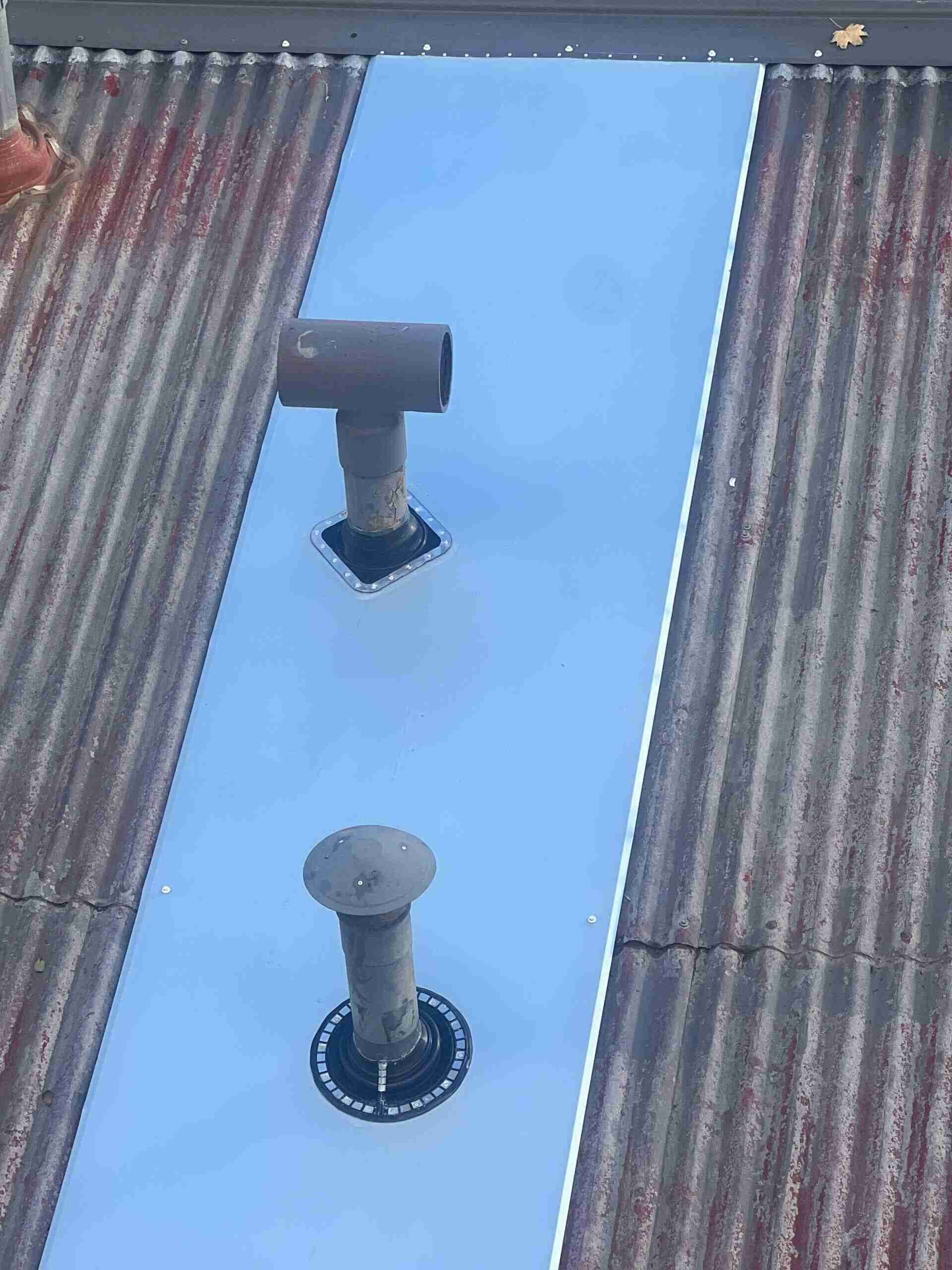
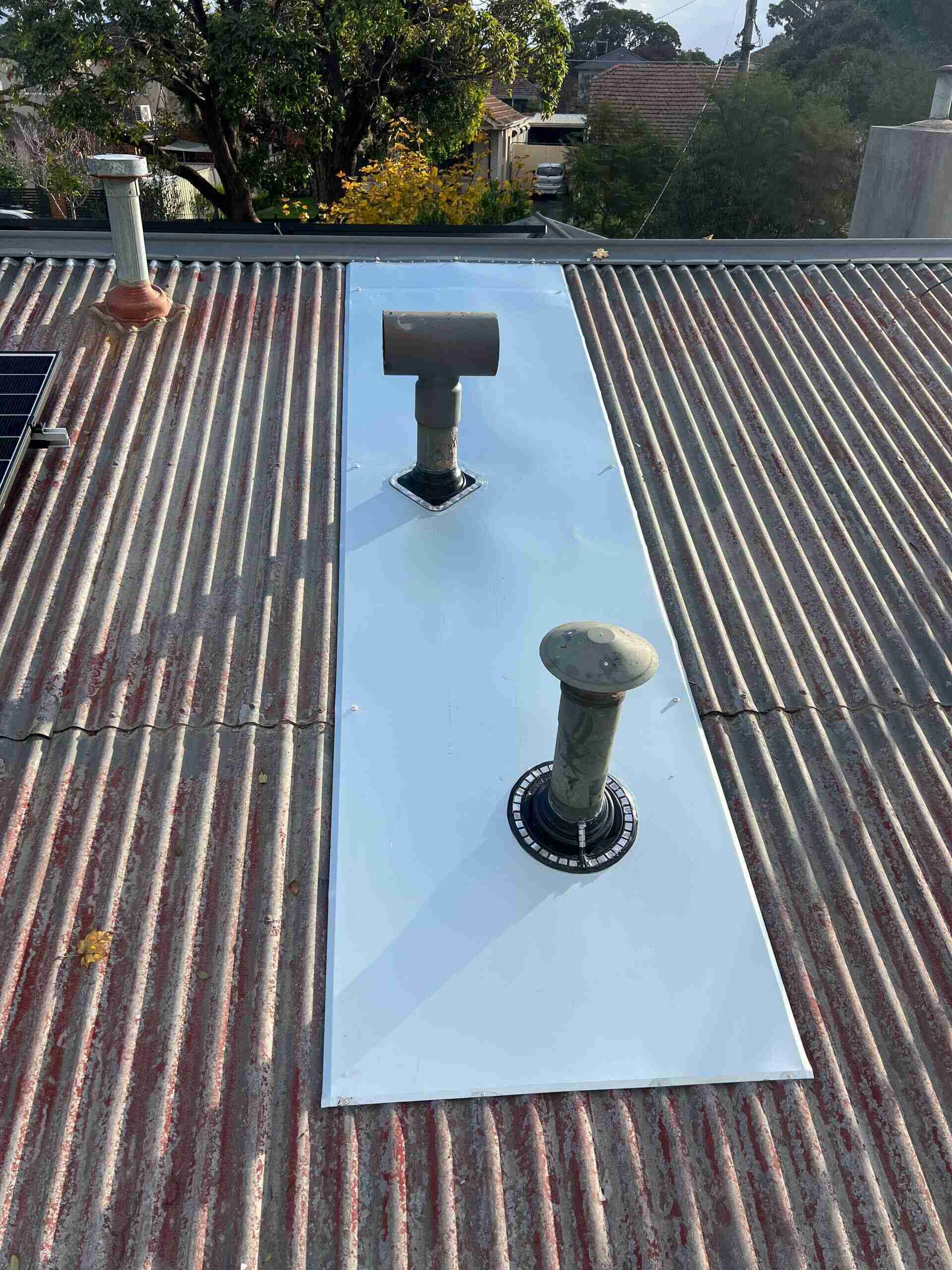
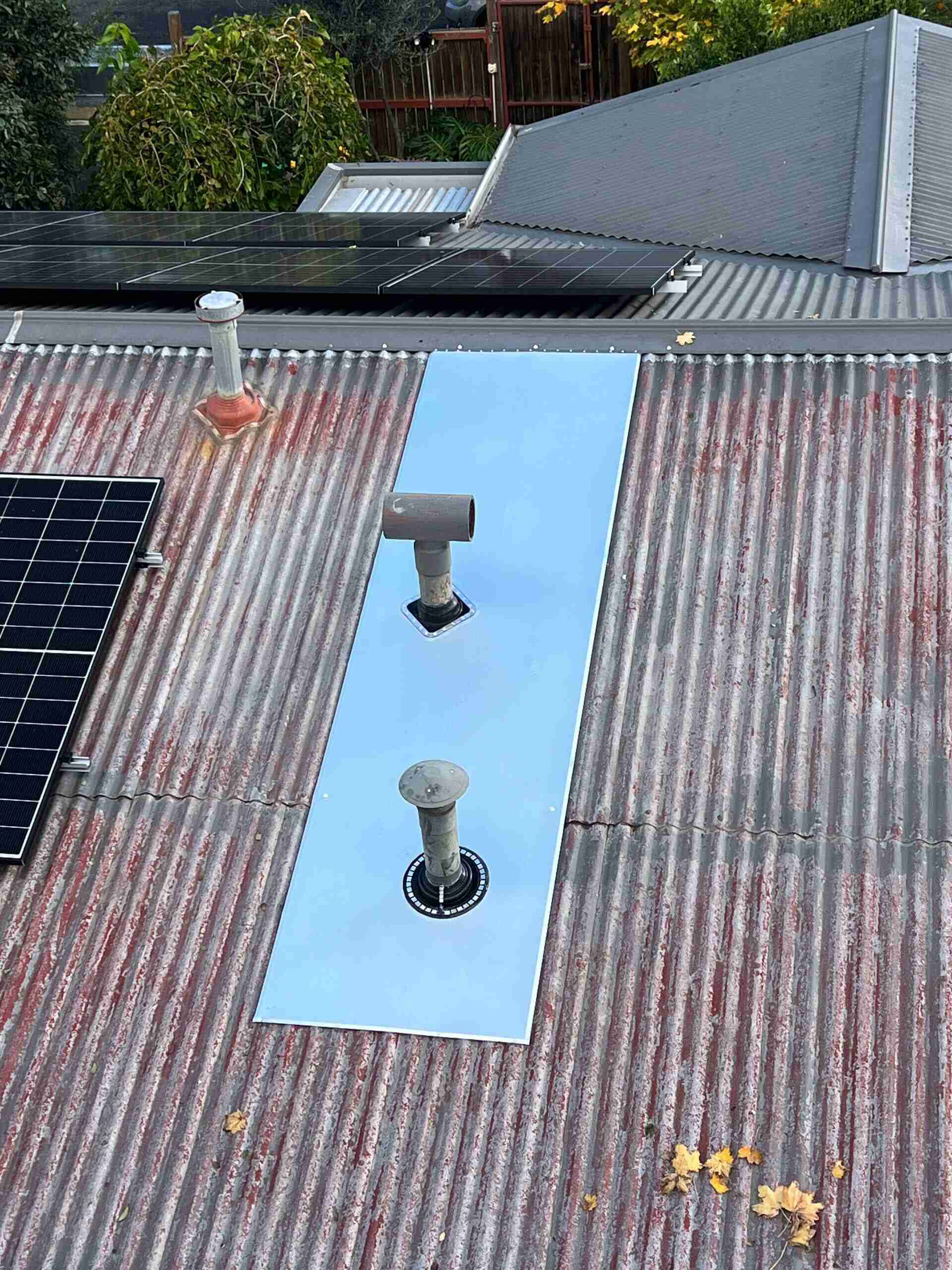
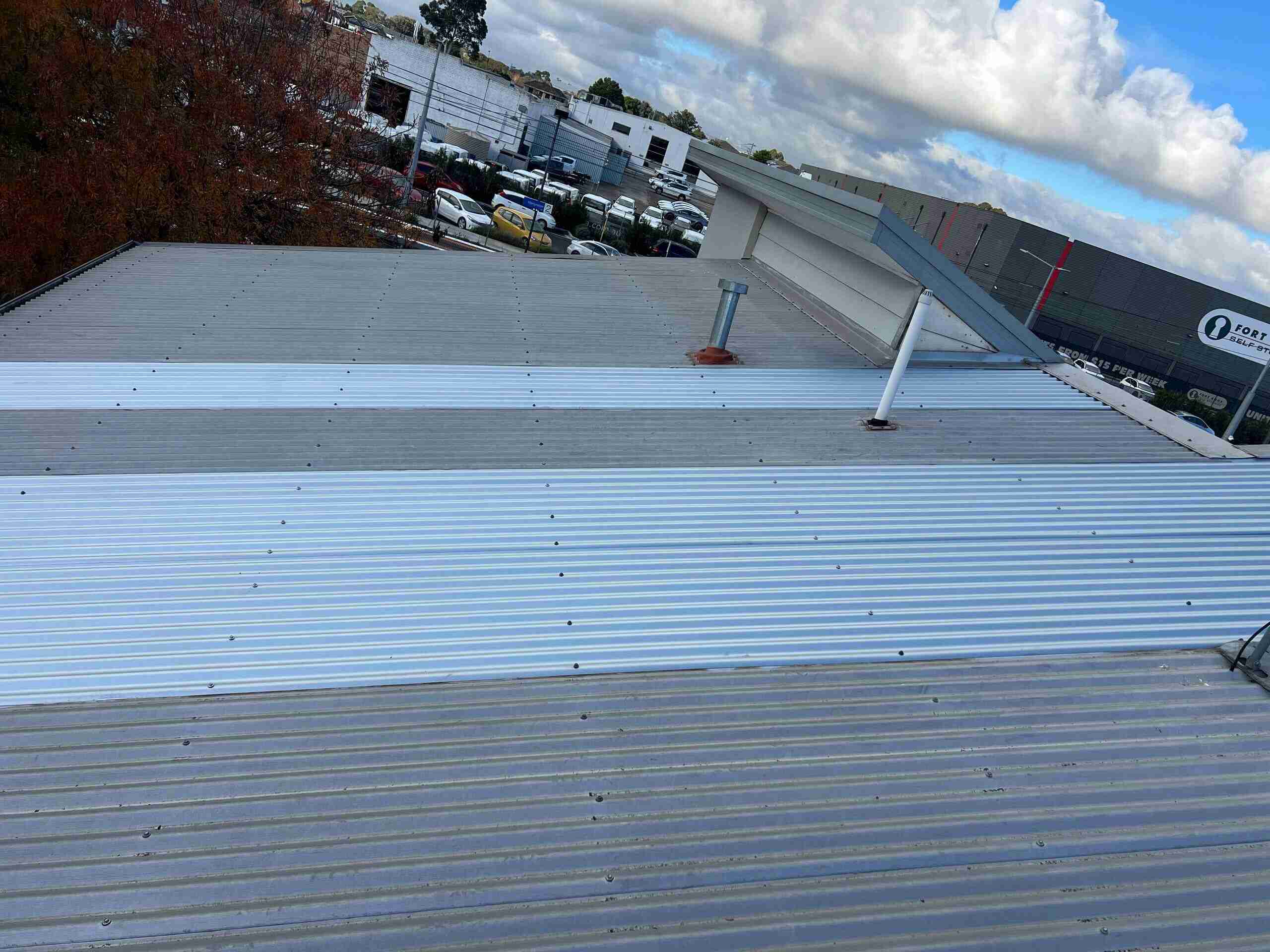
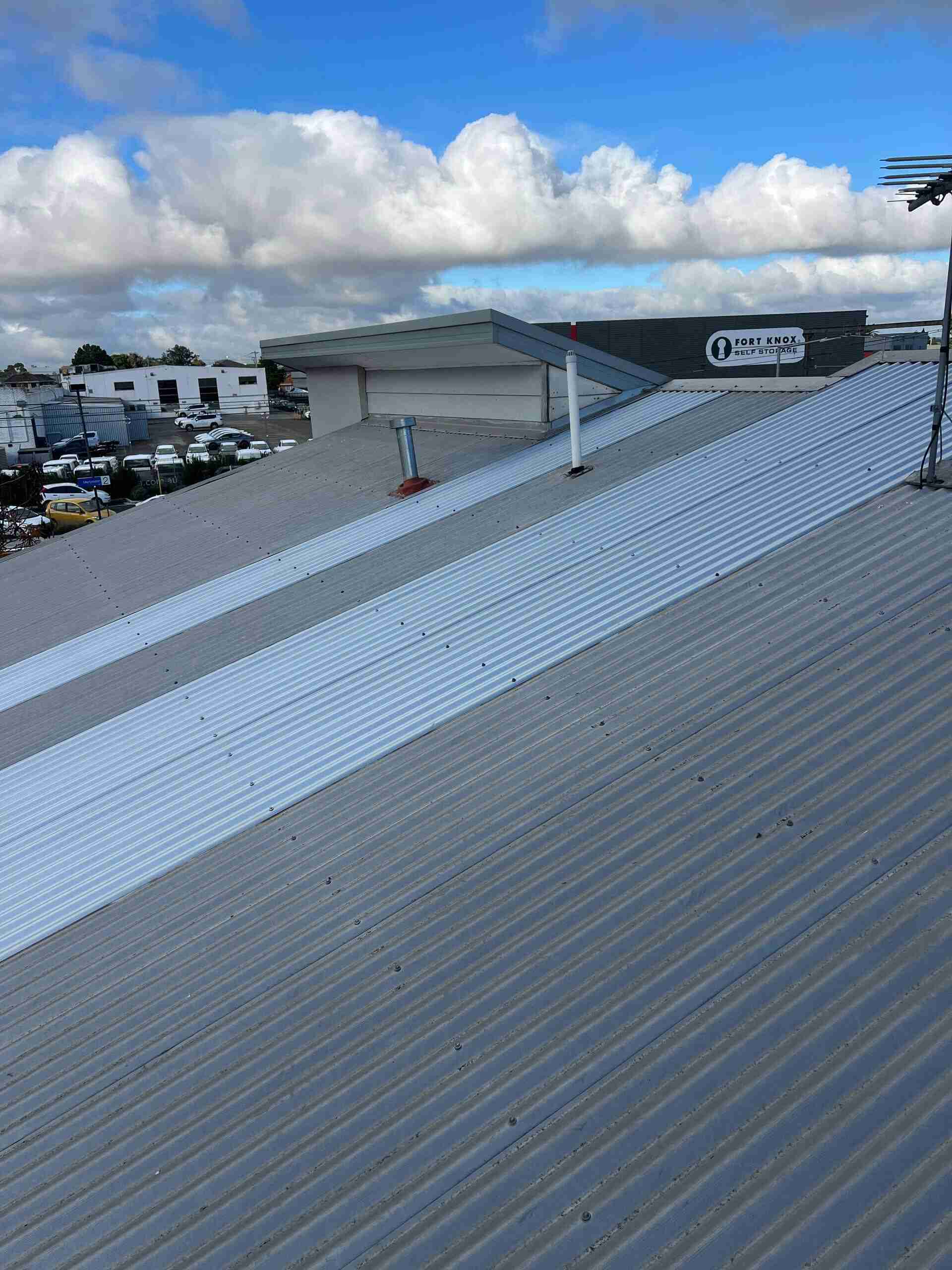
Our Dry Pan Flashing Work
Signs Your Flashing Needs Replacing
Water Stains on Walls
Damp patches or water marks on interior walls where your roof meets a wall — the classic sign of flashing failure.
Cracked Mortar
Visible cracks in the cement between tiles and brickwork. Even hairline cracks allow water penetration during heavy rain.
Gaps at Wall Junction
Visible gaps where mortar has pulled away from the wall or tiles. Water has a direct path into your roof cavity.
Mortar in Gutters
Finding mortar chunks or debris in your gutters indicates the flashing mortar is breaking down.
Damp During Rain
Active dripping or damp patches that appear during or shortly after rainfall near roof-to-wall junctions.
15+ Year Old Flashings
Original mortar flashings from 15+ years ago are almost certainly compromised, even if not visibly cracked.
Spotted any of these? Book a free inspection before the next storm season.
Book Free InspectionHow We Install Dry Pan Flashing
Inspection & Measurement
We inspect the existing flashing, measure the junction length, and assess tile condition. Free inspection, no obligation quote provided on-site.
Tile Removal & Cleanup
We carefully remove tiles along the wall junction and strip out all old mortar, sealant, and debris. The substrate must be clean for the new system to perform.
Pan System Installation
Pre-formed metal dry pans are fixed to the roof structure along the wall line. Each pan interlocks with the next, creating a continuous watertight channel. A stepped cover flashing is secured into the mortar course of the brickwork above.
Tile Re-seating & Finishing
Tiles are seated back into the dry pans. Each tile sits in its own pan tray, allowing individual thermal movement without breaking any seal. We check every tile for proper seating and water flow.
Inspection & Warranty
Final inspection of the complete installation. We test water flow to verify the system drains correctly. You receive a 10-year workmanship warranty on all work.
Dry Pan vs Traditional Mortar Flashing
| Feature | Dry Pan System | Mortar Flashing |
|---|---|---|
| Lifespan | 25-30+ years | 10-15 years |
| Maintenance | None required | Re-pointing every 10-15 yrs |
| Thermal Movement | Accommodated | Causes cracking |
| Salt Resistance | Excellent | Poor — accelerates failure |
| Tile Replacement | Individual tiles removable | Requires mortar re-work |
| Appearance | Clean, modern finish | Visible mortar line |
Why Choose Our Dry Pan Flashing Service?
Quality Materials
Colorbond or Zincalume pans rated for coastal conditions
Expert Installation
Precise fitting ensures every tile drains correctly
10-Year Warranty
Written workmanship warranty on all installations
What's Included:
- ✓Free roof inspection and quote
- ✓Removal of old mortar flashings
- ✓Pre-formed dry pan system supply and install
- ✓Stepped cover flashing into brickwork
- ✓Clean up and debris removal
- ✓No hidden costs or surprises
Free inspection • Detailed quote • No obligation
Dry Pan Flashing FAQs
What is dry pan flashing?
Dry pan flashing is a pre-formed metal tray system installed where roof tiles meet a wall, parapet, or higher roofline. Unlike traditional mortar-based flashings that crack and fail over time, dry pan systems use interlocking metal pans with rubber seals to create a watertight barrier without relying on cement or sealant. The tiles sit in the pan rather than being mortared against the wall.
Why does traditional flashing fail on tile roofs?
Traditional tile-to-wall flashings use cement mortar to seal tiles against brickwork. This mortar cracks from thermal expansion (hot summers, cold winters), loses adhesion as the building settles, and erodes from wind-driven rain. Once cracked, water runs behind the tiles and into your ceiling cavity. On the Mornington Peninsula, salt air accelerates mortar breakdown significantly.
How long does dry pan flashing last?
A properly installed dry pan flashing system using Colorbond or Zincalume metal lasts 25-30+ years. Because there's no mortar to crack or sealant to degrade, the system maintains its waterproof seal through decades of thermal movement. Our installations come with a 10-year workmanship warranty.
Can dry pan flashing be installed on an existing roof?
Yes. We regularly retrofit dry pan flashing to existing tile roofs where traditional mortar flashings have failed. The process involves carefully removing tiles along the wall junction, installing the dry pan system, and re-seating the tiles into the new pans. It's a common repair that typically takes 1-2 days depending on the length of the junction.
How do I know if my flashing needs replacing?
Warning signs include: water stains on interior walls near where the roof meets a wall, visible cracks in mortar where tiles meet brickwork, gaps visible between tiles and wall flashing, mortar debris in gutters, and damp patches during or after rain. If your home is 15+ years old with original mortar flashings, they're likely due for inspection.
What does dry pan flashing cost?
Cost depends on the total linear metres of flashing needed, roof access difficulty, and whether it's a new installation or retrofit. We quote per job after inspection — not by the metre — so you know the exact cost upfront. Free inspections, no obligation. Call us for a quote.
Is dry pan flashing better than lead flashing?
For tile roofs, yes. Lead flashing requires ongoing maintenance (re-dressing, re-sealing) and can cause galvanic corrosion when in contact with Colorbond or Zincalume. Dry pan systems are maintenance-free, won't corrode adjacent metals, and provide a more reliable long-term seal. Lead still has its place on slate roofs and heritage buildings.
Related Services
Explore our other professional roofing services
Roof Restoration
Complete roof restoration including cleaning, repairs, and coating
Learn More →Roof Repairs
Fast and reliable roof repairs for all roof types
Learn More →Roof Painting
Professional roof painting with premium coatings
Learn More →Roof Cleaning
High-pressure roof cleaning to remove moss and debris
Learn More →Dry Pan Flashing Across the Peninsula
We provide professional dry pan flashing services throughout Frankston and the Mornington Peninsula. Click your suburb to learn more.
Stop Tile-to-Wall Leaks Permanently
Replace failing mortar flashings with a dry pan system that lasts 25+ years. No maintenance, no cracking, no leaks.
✓ Free inspection ✓ Colorbond materials ✓ 10-year warranty ✓ 25+ year lifespan