Roof Maintenance: Why DIY Pressure Cleaning is a Risky Gamble for Peninsula Homeowners
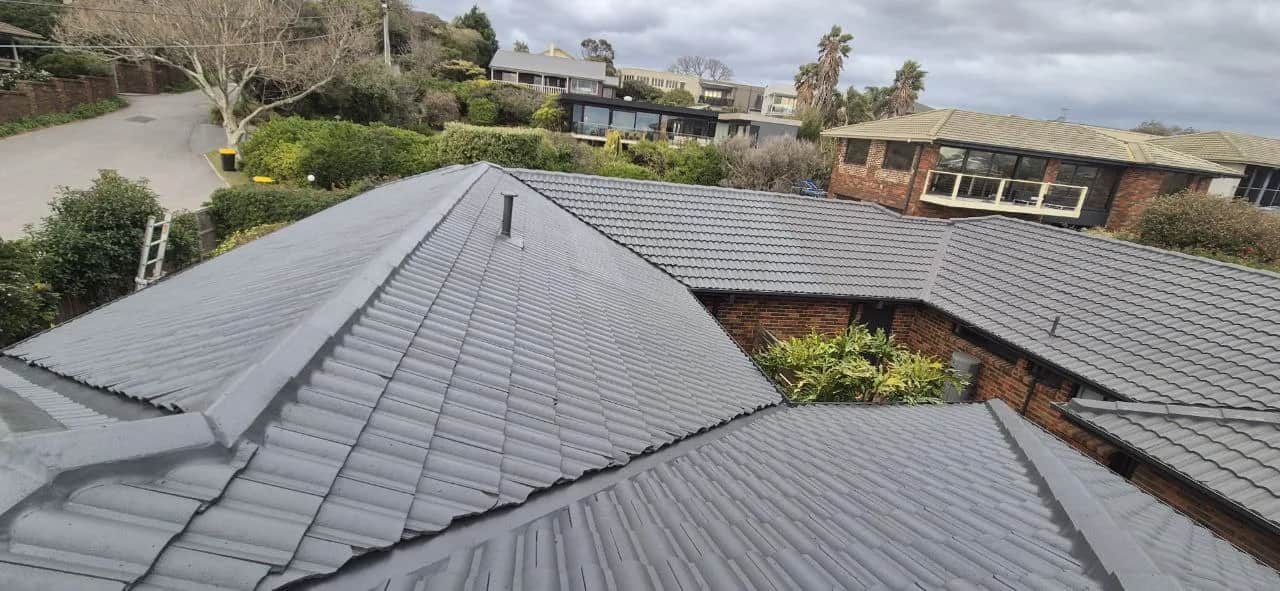
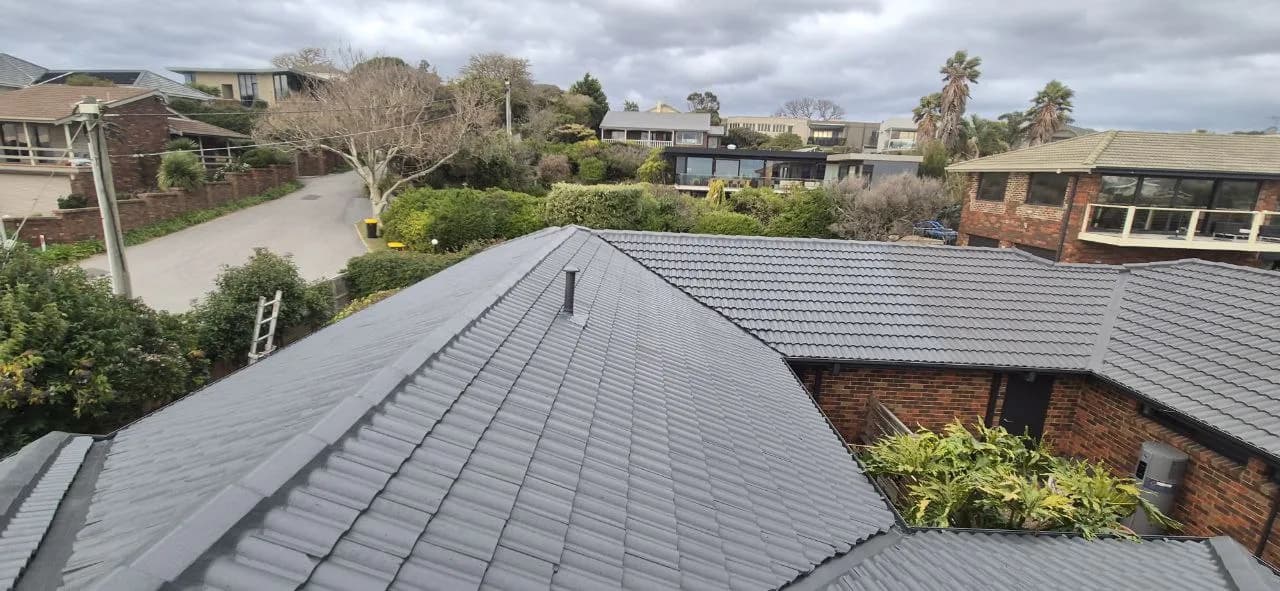
As a homeowner living in the beautiful south-east — from the leafy streets of Narre Warren to the salt-sprayed cliffs of Mount Eliza — your roof is your property's first line of defence. It bears the brunt of the scorching Victorian sun, the lashing rains of Port Phillip Bay, and the persistent salt air that characterises life on the Mornington Peninsula. When moss, lichen, or dark streaks begin to mar the appearance of your roof, the DIY spirit naturally kicks in. It seems simple enough: rent a pressure washer, climb a ladder, and blast the dirt away.
However, after 15+ years of providing roof restorations across Frankston, Narre Warren, and the Peninsula, we've seen the aftermath of "weekend warrior" projects gone wrong too many times. What starts as a way to save a few dollars often ends in structural damage, personal injury, or a total roof failure that costs thousands to rectify.
The Physical Risks: Why Your Safety is Worth More Than a Clean Roof
The Danger of Heights and Pitch
The most obvious risk is working at heights. Most residential roofs across the Frankston and Mornington Peninsula areas are pitched at angles that require specialist safety equipment. Even a single-storey home in Seaford presents a significant fall risk. When you introduce water into the equation, a roof becomes a skating rink. Wet terracotta or concrete tiles are notoriously slippery.
Unlike our professional team — who use industrial-grade harnesses, anchor points, and non-slip footwear — a DIYer often relies on standard sneakers and luck. A momentary lapse in concentration or a slip on a patch of wet moss can result in life-altering injuries. Falls from roofs remain one of the leading causes of serious injury for Australian homeowners.
The Kickback Force of Industrial Washers
Many homeowners rent high-PSI pressure washers thinking "more power is better." However, these machines carry significant kickback force. If you're standing on a narrow ledge or a steep pitch and pull the trigger, the recoil can easily knock you off balance. Our technicians are trained to manage the torque and physics of high-pressure equipment while maintaining three points of contact on the roof structure.
High-Pressure Injection Injuries
A rarely discussed risk is high-pressure injection — when the water stream is so powerful that it punctures the skin and drives water and debris deep into soft tissue. This is a medical emergency that can lead to permanent nerve damage. Dealing with these machines requires professional-grade PPE and specific training that most DIYers simply don't have.
⚠️ Safety Warning: Falls from ladders and roofs are a leading cause of injury and death for Australian men over 50. Never work at heights without proper safety equipment. If in doubt, call a professional.
The Property Damage You Don't See Coming
While you might be trying to clean your roof, you could inadvertently be destroying it. Roof materials are designed to shed water that falls from above — not to withstand high-pressure water forced upward or directly at them.
Stripping the Protective Glaze
Whether you have concrete or terracotta tiles, they're manufactured with a protective coating. In the Frankston and Mornington Peninsula region, this coating is vital for resisting salt-air corrosion. DIY pressure cleaning with excessive PSI "etches" the surface of the tile, stripping away this crucial protection.
Once the glaze is gone, the tile becomes porous. It absorbs water like a sponge, leading to increased weight on your timber trusses, rapid regrowth of moss and lichen (which thrive on porous surfaces), and internal dampness and mould. You've essentially made the problem worse.
Destroying Bedding and Pointing
Your roof isn't just tiles — it's held together by a system of mortar known as bedding and pointing. A DIYer with a pressure wand can easily blast away chunks of aged mortar. This leaves your ridge caps loose and creates entry points for water. Our roof repairs team frequently visits homes where a DIY clean has resulted in "internal rain" because the homeowner accidentally blasted water under the ridge caps.
Flooding Your Ceiling Cavity
Standard pressure cleaning techniques often involve spraying water upwards or sideways. Roofs are designed for gravity-fed rain — water that moves downward. When you spray water upwards under the laps of tiles or metal sheets, you force litres of water directly into your insulation and onto your plasterboard ceilings. The resulting water damage leads to sagging ceilings and electrical hazards.
💡 Pro Tip: A professional roofer always inspects the roof BEFORE cleaning. If there are cracked tiles, rusted valleys, or failing flashings, cleaning must wait until repairs are completed — otherwise you're pushing water straight into your home.
Chemical Hazards: The Environmental and Health Risks
Toxic Runoff in Bayside Ecosystems
Cleaning a roof often requires more than just water. To kill stubborn lichen and mould, chemicals are typically used. Without proper equipment to manage the runoff, this chemical-laden water goes straight into stormwater drains — and in suburbs like Mount Eliza and Frankston, eventually into Port Phillip Bay. We use eco-friendly, biodegradable surfactants where possible and manage all runoff according to Victorian environmental regulations.
Damage to Landscaping and Pets
Strong bleaches or "store-bought" roof cleaners can devastate your garden. We've seen DIY jobs where the roof looks cleaner but the prize-winning hedges and lawn surrounding the house have been chemically burned. These chemicals can also be toxic to pets who drink from puddles of runoff.
Respiratory and Skin Irritation
The mist created by a pressure washer carries the chemicals you're using, along with pulverised mould and lichen spores. Without professional-grade respirators, you're inhaling these pathogens and irritants. Our team wears full protective gear to ensure hazardous materials don't end up in our lungs or on our skin.
The Peninsula Challenge: Why This Region Is Different
If you live in Narre Warren, the challenges might be dust and heat. If you live in Frankston or Seaford, you face a different beast: salt air and bay winds.
Salt's Role in Roof Decay
The salt spray from the ocean is highly corrosive. It settles on your roof and, if not cleaned correctly, eats through the fixings of a Colorbond roof or degrades the surface of tiles. A DIY pressure clean often fails to neutralise the salt — it simply moves it around. Our professional roof restoration process involves a specific sequence designed to neutralise salt deposits before applying premium, salt-resistant coatings formulated for coastal Australian conditions.
Lichen: The Silent Destroyer
On the Peninsula, the high humidity and cool bay breezes create the perfect breeding ground for lichen — that crusty, orange or green growth. Lichen doesn't just sit on the surface; it sends roots (rhizines) into the tile. If you DIY pressure wash lichen, you often snap off the top but leave the roots embedded, causing the lichen to grow back faster and stronger. Our professional treatment includes an anti-fungal "soft wash" that kills lichen at the root, ensuring your roof stays cleaner for longer.
What Professional Roof Cleaning Actually Involves
To illustrate why DIY is insufficient, here's what a professional roof restoration from Frankston Peninsula Roofing actually involves compared to a simple DIY wash.
- Step 1 — Thorough inspection: Before any water touches the roof, we identify cracked tiles, rusted valleys, and failing flashings. A DIYer cleaning a damaged roof pushes water into those cracks, causing instant leaks.
- Step 2 — Essential repairs first: We complete all necessary repairs before cleaning. This includes replacing broken tiles and checking structural integrity.
- Step 3 — Industrial cleaning with regulated pressure: We use adjustable-PSI machines with just enough pressure to remove debris without etching the tile surface. We also use "whirlaway" surface cleaners that ensure an even clean without tiger stripes.
- Step 4 — Rebedding and repointing: After the clean, we repair degraded mortar using high-quality flexible pointing compounds that move with your house.
- Step 5 — Sterilisation and priming: We apply a steriliser to kill remaining spores, followed by a high-adhesion primer.
- Step 6 — Two coats of premium membrane: This seals the roof and provides 15-20 years of UV and water protection.
The True Cost: DIY vs. Professional
Many people choose DIY to save money. But consider the hidden costs of a DIY roof clean: equipment rental ($150-300 per day), chemicals and detergents ($100-200), ladder and safety gear ($200+), two full weekends of back-breaking labour, and the potential damage costs ($500-5,000 for replacing ceiling plaster, fixing leaks, and replacing etched tiles). A poorly done DIY job can actually decrease your home's curb appeal and resale value.
Compare this to a professional service from Frankston Peninsula Roofing, where the job is done in a few days, carries a 10-year warranty, and significantly increases the value of your home.
Signs You Need Professional Help (Put Down the Pressure Washer)
If you notice any of the following, do not attempt to clean the roof yourself — call a professional:
- Sagging roof lines: Indicates structural timber rot. Adding weight could cause a collapse.
- White "powder" on tiles: This is efflorescence — a sign the concrete is breaking down. High-pressure washing will disintegrate these tiles.
- Large patches of lichen: These require chemical sterilisation, not just pressure.
- Visible mortar cracks: Water will enter these cracks instantly during a wash.
Trust Your Local Expert — Leave the Heights to Us
Your roof is the most expensive component of your home's exterior. Entrusting it to a DIY project is a risk that simply doesn't pay off. In the harsh coastal environment of the Mornington Peninsula, you need a solution built to last.
At Frankston Peninsula Roofing, we combine local knowledge with premium materials and a commitment to safety. Whether you need a simple leak fix, a complete roof restoration, or a fresh roof painting job to revitalise your home's look, we're here to help. Don't risk a fall, and don't risk your home's integrity.
Call Mike today on 0437 641 027 for a free, no-obligation roof assessment across Frankston, the Mornington Peninsula, Narre Warren, and all surrounding suburbs. Protect your home with our 10-year workmanship warranty.
Serving Frankston, Mornington Peninsula & South-East Melbourne
We provide expert roofing services across these suburbs and surrounding areas. Click your suburb for local information and a free quote.
Frequently Asked Questions
How often should I have my roof professionally cleaned in Frankston?
Due to the salt air and the abundance of tea trees and eucalyptus on the Peninsula, we recommend a professional inspection every 2-3 years. A full restoration typically lasts 10-15 years depending on the coating used. Properties in coastal suburbs like Seaford or Mount Eliza may need more frequent attention due to salt and lichen accumulation.
Can you clean a Colorbond metal roof?
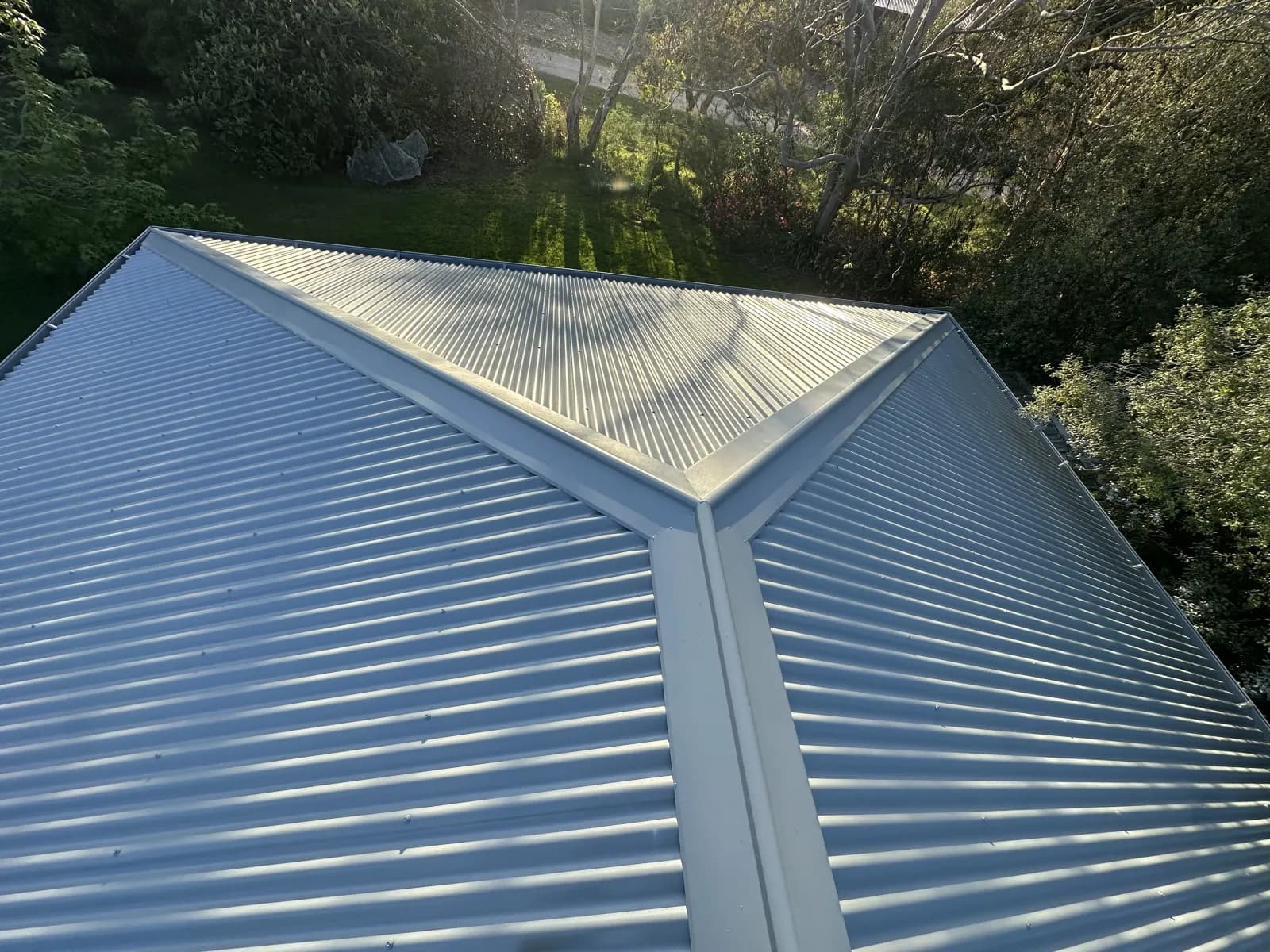
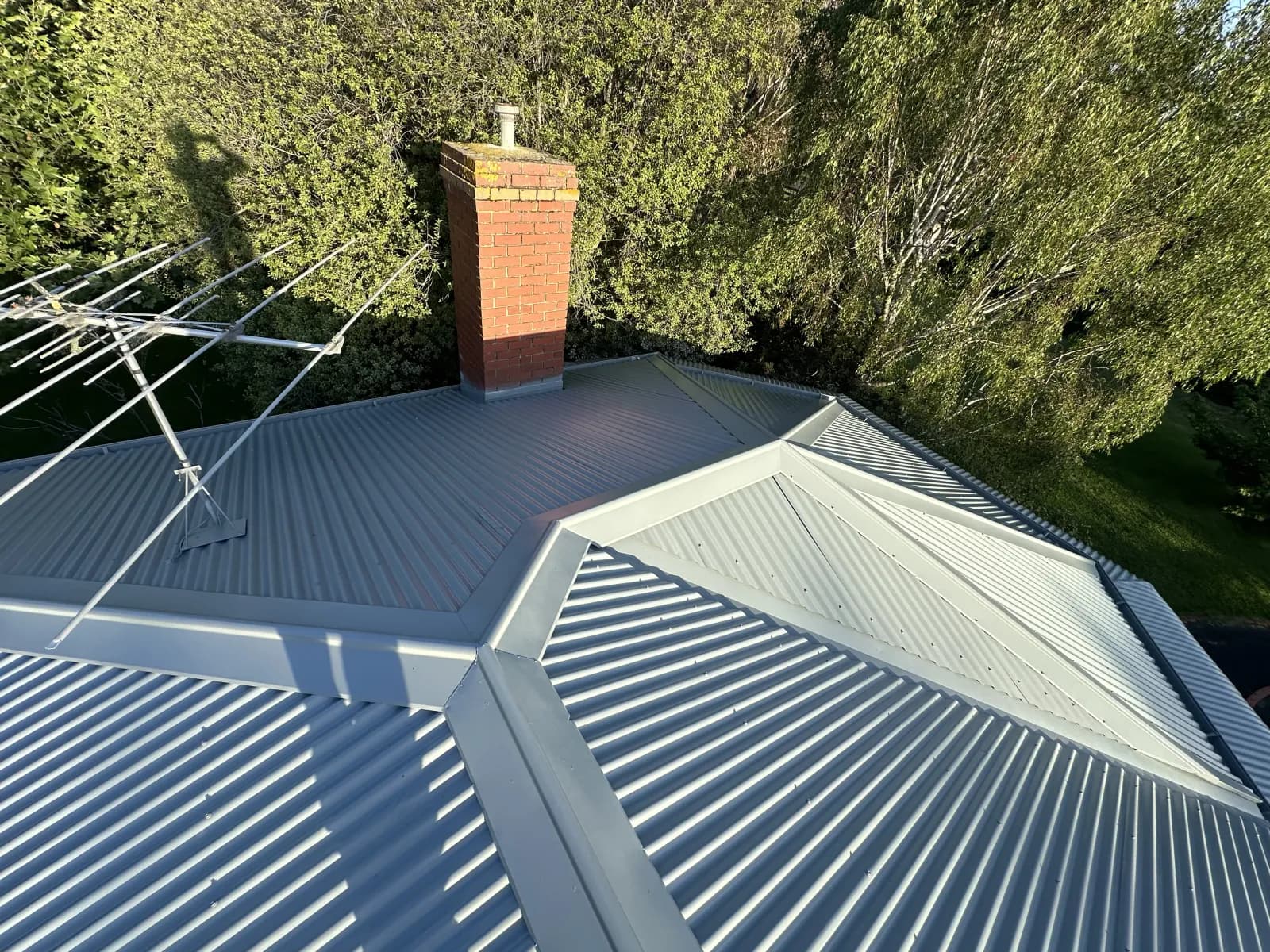
Absolutely. Metal roofs require a different approach than tiled roofs. High pressure can dent metal or force water into the lap joints. We use a "soft wash" approach for Colorbond — lower pressure combined with specialised cleaning solutions that remove dirt and oxidation without damaging the paint finish or the structure.
Is roof painting just for aesthetics?
No. While roof painting makes your house the best-looking one on the street, its primary function is protection. Premium membrane coatings seal porous tiles, prevent water absorption, provide UV protection, and reflect heat — actually reducing your cooling costs in summer. The aesthetic improvement is a bonus on top of genuine protective benefits.
What happens if it rains during a roof restoration?
As Narre Warren locals, we know Victorian weather is unpredictable. We monitor the Bureau of Meteorology forecasts closely and schedule around weather windows. If rain is imminent, we adjust our schedule to ensure primers and coatings have adequate curing time. A proper restoration requires consecutive dry days, which is why timing and planning are part of our professional service.
Need Help With Your Roof?
Get a free, no-obligation inspection and quote. We'll give you honest advice — even if that means telling you it just needs minor repairs.