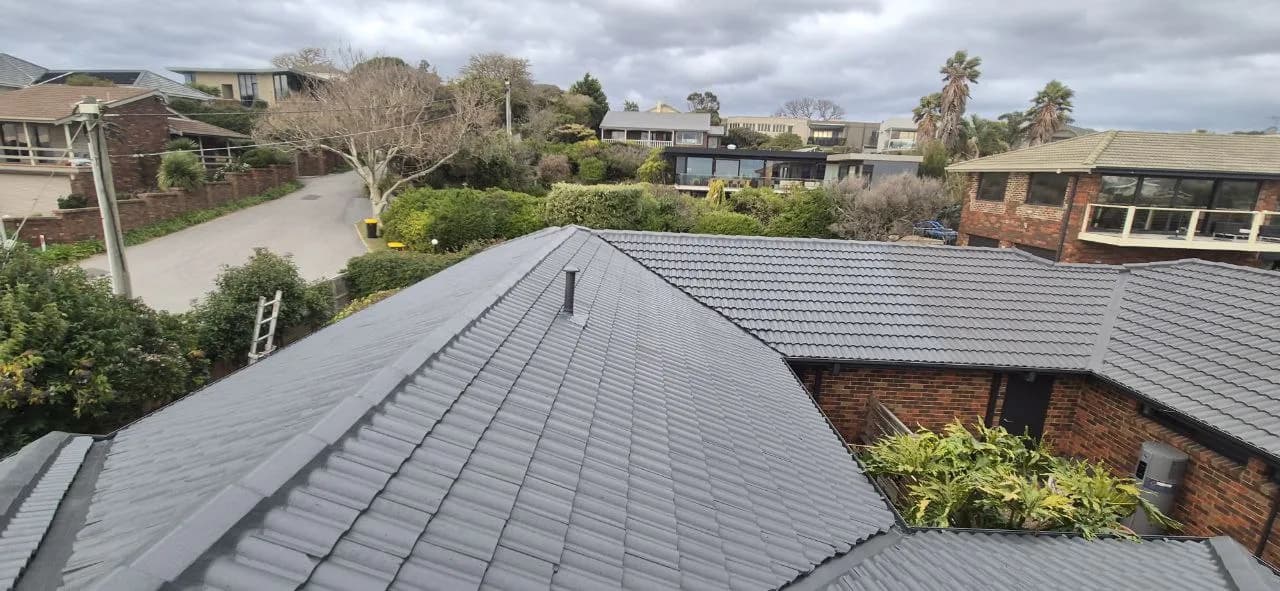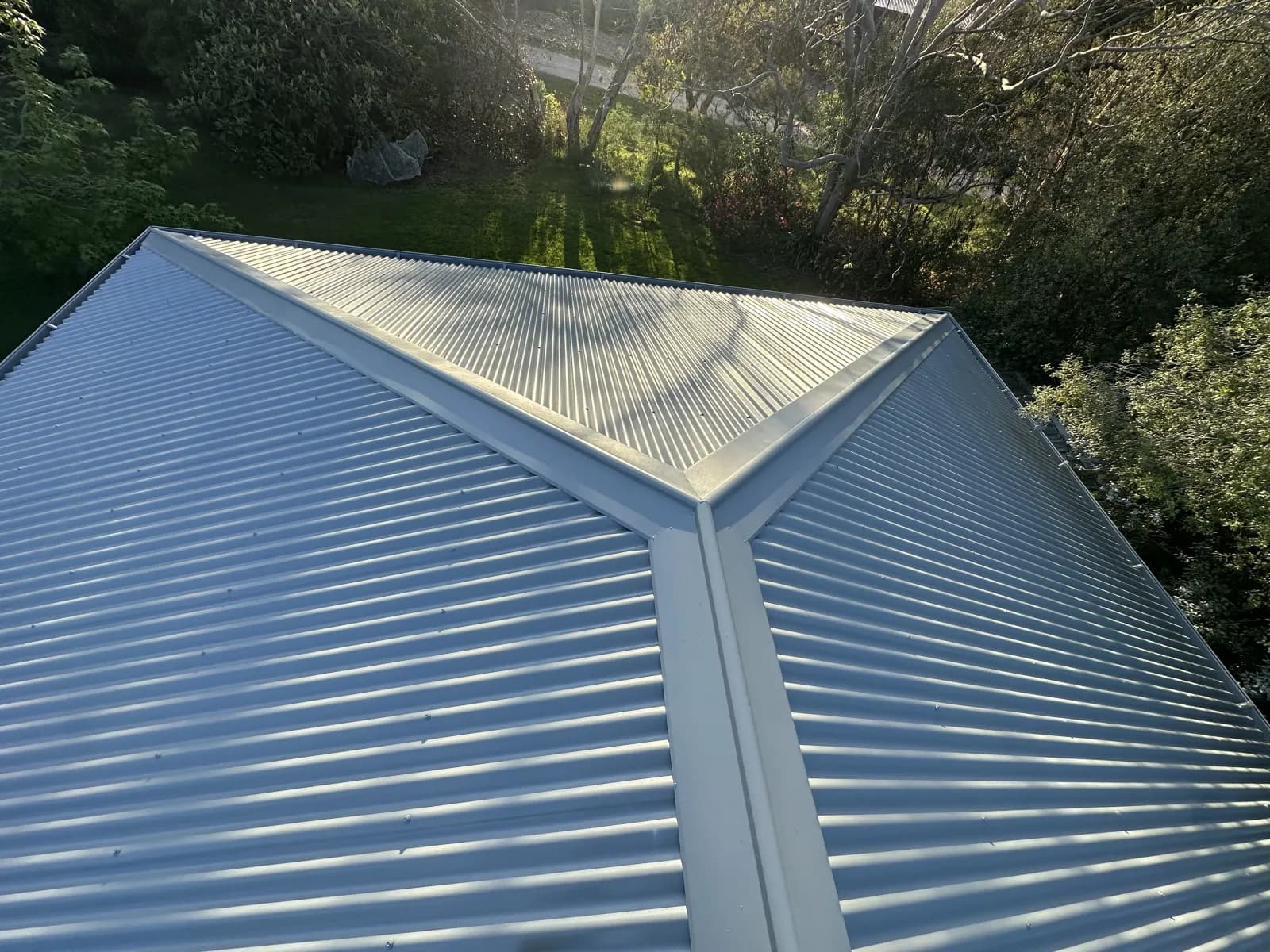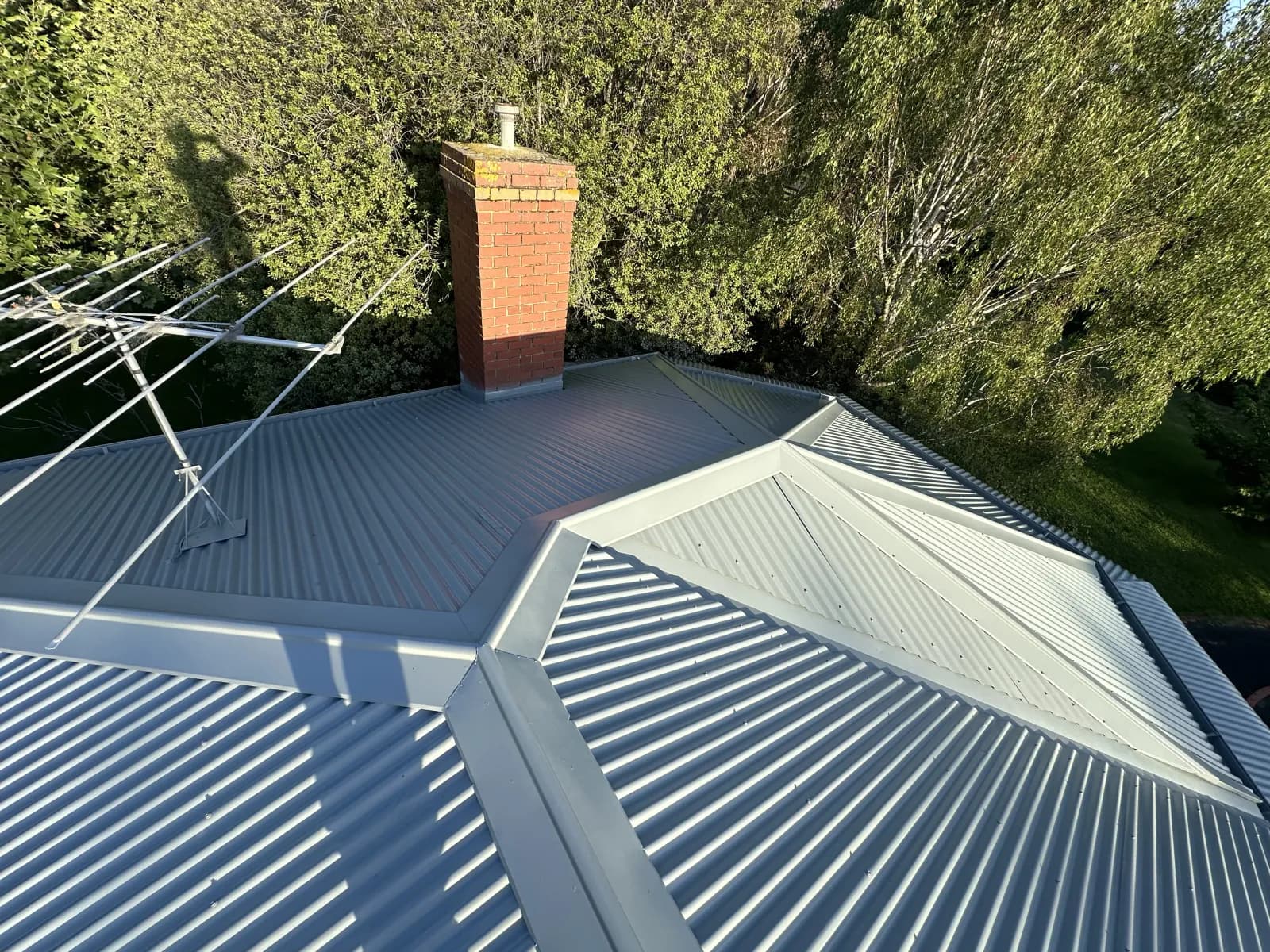
4 Essential Things to Consider Before Opting for a Roof Restoration
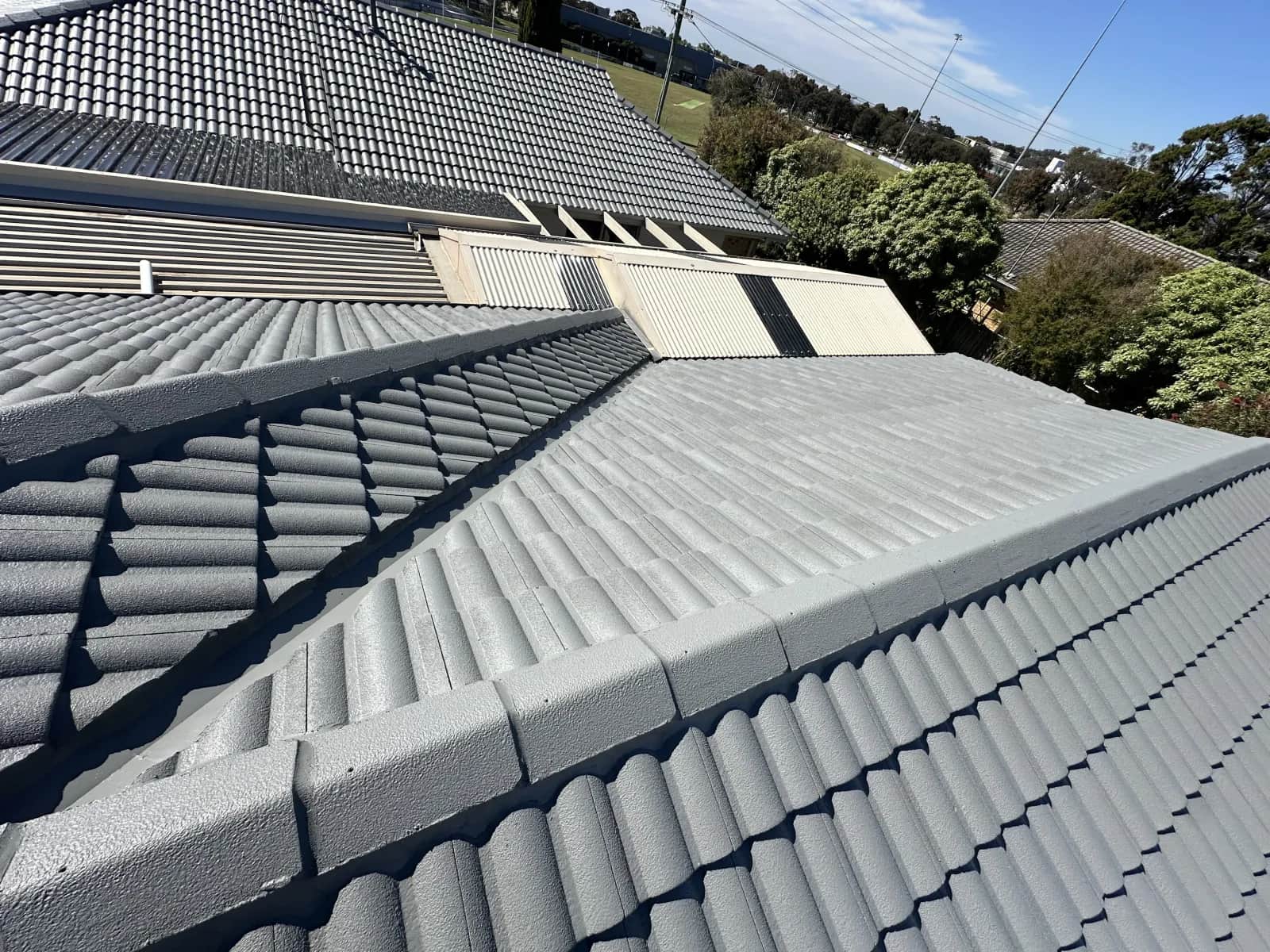
There is no argument that the roof is one of the most critical components of your home. It protects your family and your assets from the elements day in and day out. Here in Melbourne's Bayside and Peninsula areas, our roofs face unique challenges — from the scorching summer sun to salt-laden coastal winds and heavy winter storms.
Because of these harsh conditions, local experts suggest homeowners schedule timely inspections and maintenance. Ignoring a small leak or a few cracked tiles can lead to significant structural damage. If your roof is showing signs of wear, a restoration is a fantastic way to add value and street appeal to your property. However, it is a significant investment, so it pays to be well prepared.
Whether you're in Frankston, Cranbourne, or anywhere across the Mornington Peninsula, these four essential considerations will help you make a smart decision, avoid costly mistakes, and get a restoration that truly lasts.
1. Do Your Research
Homeowners are often tempted to accept the first quote they receive or choose the cheapest option on Google. While you might get lucky, for many people, this leads to poor workmanship and headaches down the track. A roof restoration is not a commodity — the quality of the result varies enormously between companies.
Ensure you do plenty of research before committing. You want a company with a stellar reputation and a solid work history in the local area. Are they familiar with the specific needs of homes in Seaford, Mount Eliza, or Mornington? Check for testimonials, look at their portfolio of completed projects, and ensure they have a local presence you can trust.
What to Check Before You Call
- Google Reviews: Look for detailed reviews from real customers describing specific work done on their roof. A rating of 4.5+ with at least 10-20 reviews is a good sign.
- Portfolio: Request before-and-after photos of recent projects — ideally in your local area. This shows you the quality of their finish and proves they're active and experienced.
- Local Track Record: A company that's been working in Frankston and the Peninsula for years will know the common issues — salt corrosion in coastal suburbs, moss growth in tree-heavy areas like Langwarrin, and the older terracotta tiles common in Mornington and Mount Martha.
Don't rush this step. A few hours of research now can save you thousands in remedial work later. We've had many customers come to us after a previous "cheap" restoration failed within 2-3 years — and fixing someone else's poor work always costs more than doing it right the first time.
2. Call the Right Roofing Contractor
When working on your most valuable asset, it is vital to hire the right team. Not all roofers are equal — and not all roofers understand the unique demands of coastal and Peninsula roofing. Before hiring, evaluate their experience, service quality, and professionalism.
Key Questions to Ask Your Contractor
- How long have you been operating under this business name? Established businesses with consistent trading names are far more reliable than operators who rebrand frequently.
- What coating brands do you use? Premium brands like Dulux AcraTex, Nutech, and Shieldcoat are the gold standard. If they use unbranded or imported products, ask why.
- Will you do a physical roof inspection before quoting? A roofer who quotes from the ground or from a photo cannot accurately assess your roof. They need to be up there to spot hidden damage.
- What warranty do you offer? Look for at least a 10-year workmanship warranty in addition to the manufacturer's product warranty.
At Frankston Peninsula Roofing, we pride ourselves on being the local experts. We understand that a roof in a coastal suburb like Seaford needs different care than a roof inland in Hallam or Berwick. Salt air, UV exposure, and prevailing wind patterns all affect which materials and techniques will last. When you choose us, you aren't just getting a tradesman — you're getting a partner who offers a 10-Year Workmanship Warranty and a 100% Satisfaction Guarantee.
3. Consider Your Budget (and Value)
The next important thing to consider is cost. A roof restoration is a significant investment, and it's natural to want to minimise expense. However, be wary of quotes that seem "too good to be true." Often, low-ball prices mean corners are being cut or inferior materials are being used — and you won't discover this until the coating starts peeling 2-3 years later.
What Affects the Cost of a Roof Restoration?
- Roof Size: Measured in square metres, this is the biggest cost factor. A single-storey home in Patterson Lakes might be 150m², while a double-storey in Mount Eliza could be 250m²+.
- Roof Condition: A roof with extensive damage — cracked tiles, rotting timber, rusted valleys — needs more repair work before coating can begin. This adds labour and materials.
- Steepness and Access: Steep roofs require more safety equipment and take longer to work on. Multi-level homes or homes with difficult access (tight driveways, surrounding trees) also add complexity.
- Coating System: A premium 3-coat system with brands like Dulux AcraTex or Nutech NXT Cool Zone costs more than a budget 2-coat system — but it lasts 15-20 years versus 5-8 years.
- Coastal vs. Inland: Coastal properties in Frankston, Seaford, or Mornington may need marine-grade coatings and stainless steel fixings, which cost slightly more but are essential for long-term durability.
A professional contractor will provide a transparent, detailed quote so you know exactly where your money is going. You need to ensure the quote covers everything — from high-pressure cleaning to re-bedding, pointing, repairs, and the final roof painting. If a quote is just a single dollar figure with no breakdown, that's a red flag.
Think of it this way: a quality restoration that lasts 15-20 years works out to a very low annual cost. A "cheap" job that fails after 3-4 years actually costs you more per year — and you still need to pay for another restoration on top of that. The cheapest option is almost never the best value.
4. Choosing Best Quality Materials
The final, and perhaps most crucial, factor is the materials used. The coating system is what stands between your tiles and the Australian elements for the next 15-20 years. In coastal areas like Frankston and the Bayside suburbs, salt air can degrade standard materials quickly — so material choice is even more critical here than in inland Melbourne.
Premium Coating Brands We Trust
- Dulux AcraTex: Australia's leading roof coating brand. Their AcraTex Roof Membrane is a thick, elastomeric coating that bridges hairline cracks and provides excellent waterproofing. Backed by a 15-year product warranty.
- Nutech NXT Cool Zone: A heat-reflective coating that reduces roof surface temperature by up to 30%. Ideal for homes in Berwick, Cranbourne, and Hampton Park where summer heat penetration is a major issue. Also available in marine-grade formulations for coastal properties.
- Shieldcoat Roofbond: A premium Australian-made roof coating with excellent adhesion and UV resistance. Particularly good for concrete tile roofs, which are the most common type across the Peninsula.
Beyond Paint: Other Materials That Matter
A roof restoration isn't just about the paint on top. The materials used underneath are equally important for long-term performance:
- Flexible Pointing Compound: Modern flexible pointing (not rigid cement) is now required by Australian Standards. It moves with thermal expansion and lasts 3-4 times longer than cement pointing — critical for the temperature swings we experience on the Peninsula.
- Valley Irons: Rusted valley irons are one of the most common sources of roof leaks. When replacing valleys, insist on Colorbond or stainless steel — not standard galvanised, which corrodes rapidly near the coast.
- Primer/Sealer: A proper primer bonds the topcoat to the tile surface. Skipping the primer (a common corner-cutting tactic) dramatically reduces coating lifespan. Always ask if a primer coat is included.
- Bedding Mortar: Fresh sand-and-cement bedding under ridge caps should use a quality mix with appropriate additives for flexibility. Old-fashioned pure cement bedding cracks too easily.
Always ask your contractor to specify the exact brands and products in their written quote. A professional company is proud of the materials they use and will happily show you product data sheets. If a roofer is vague about materials or won't commit to specific brands, consider that a warning sign.
Signs Your Roof Needs Restoration
Not sure if your roof actually needs a restoration? Here are the most common signs that it's time to act, particularly for homes in the Frankston and Peninsula region:
- Faded or chalky tiles: Run your finger across a tile. If it leaves a chalky residue, the factory coating has worn off and the tile is absorbing water.
- Moss or lichen growth: Green or black growth on tiles indicates moisture retention. This is especially common in shaded areas and suburbs with lots of tree cover like Langwarrin and Somerville.
- Cracked or crumbling ridge caps: Look at the peak of your roof. If the mortar between the V-shaped ridge tiles is cracked or falling away, water is getting in.
- Rusted valleys or flashings: Visible rust on the metal channels where roof slopes meet is a serious concern. These are the highest-volume water pathways on your roof.
- Interior water stains: Brown spots on ceilings or walls after rain are a clear sign of active leaking — and the damage you can see is usually just the tip of the iceberg.
- Roof age 15+ years: Most factory coatings on concrete tiles last 15-20 years. If your roof is approaching this age and has never been restored, it's due for attention.
Conclusion: Plan, Research, and Invest Wisely
A roof restoration is one of the best investments you can make in your home. It protects your property for another 15-20 years, dramatically improves street appeal, and can add significant value if you're planning to sell. But only if it's done right — with proper research, the right contractor, a realistic budget, and premium materials suited to your specific location.
Take the time to consider these four factors carefully before committing. Your future self — and your roof — will thank you.
Ready to explore a roof restoration for your home? Frankston Peninsula Roofing offers free, no-obligation roof inspections across Frankston, Mornington Peninsula, and the City of Casey. We'll assess your roof's condition, explain exactly what work is needed, and provide a detailed written quote with no hidden costs. Call Mike and the team today on 0437 641 027.
Related Services
Serving Frankston, Mornington Peninsula & South-East Melbourne
We provide expert roofing services across these suburbs and surrounding areas. Click your suburb for local information and a free quote.
Frequently Asked Questions
How much does a roof restoration cost in Frankston?
Roof restoration costs vary depending on roof size, condition, steepness, and coating system chosen. Every roof is different, so the best way to get an accurate price is a free on-site inspection. We provide detailed quotes with no hidden costs — so you know exactly what you're paying for before any work begins.
What materials should be used for a coastal roof restoration?
In coastal areas like Frankston and the Mornington Peninsula, salt air can degrade standard materials quickly. We use premium Australian brands — Dulux AcraTex, Nutech NXT Cool Zone, and Shieldcoat Roofbond — with marine-grade variants rated for salt exposure. Flexible pointing compounds and rust-proof valley irons are essential.
How long does a roof restoration last?
A properly done roof restoration with premium materials lasts 15-20 years. This includes a 10-year workmanship warranty from us plus a 10-15 year manufacturer warranty on the coating products. The key is thorough preparation — cleaning, repairs, and proper priming before coating.
Need Help With Your Roof?
Get a free, no-obligation inspection and quote. We'll give you honest advice — even if that means telling you it just needs minor repairs.