Hiring a Roofing Contractor in Frankston & the Mornington Peninsula: 10 Expert Tips
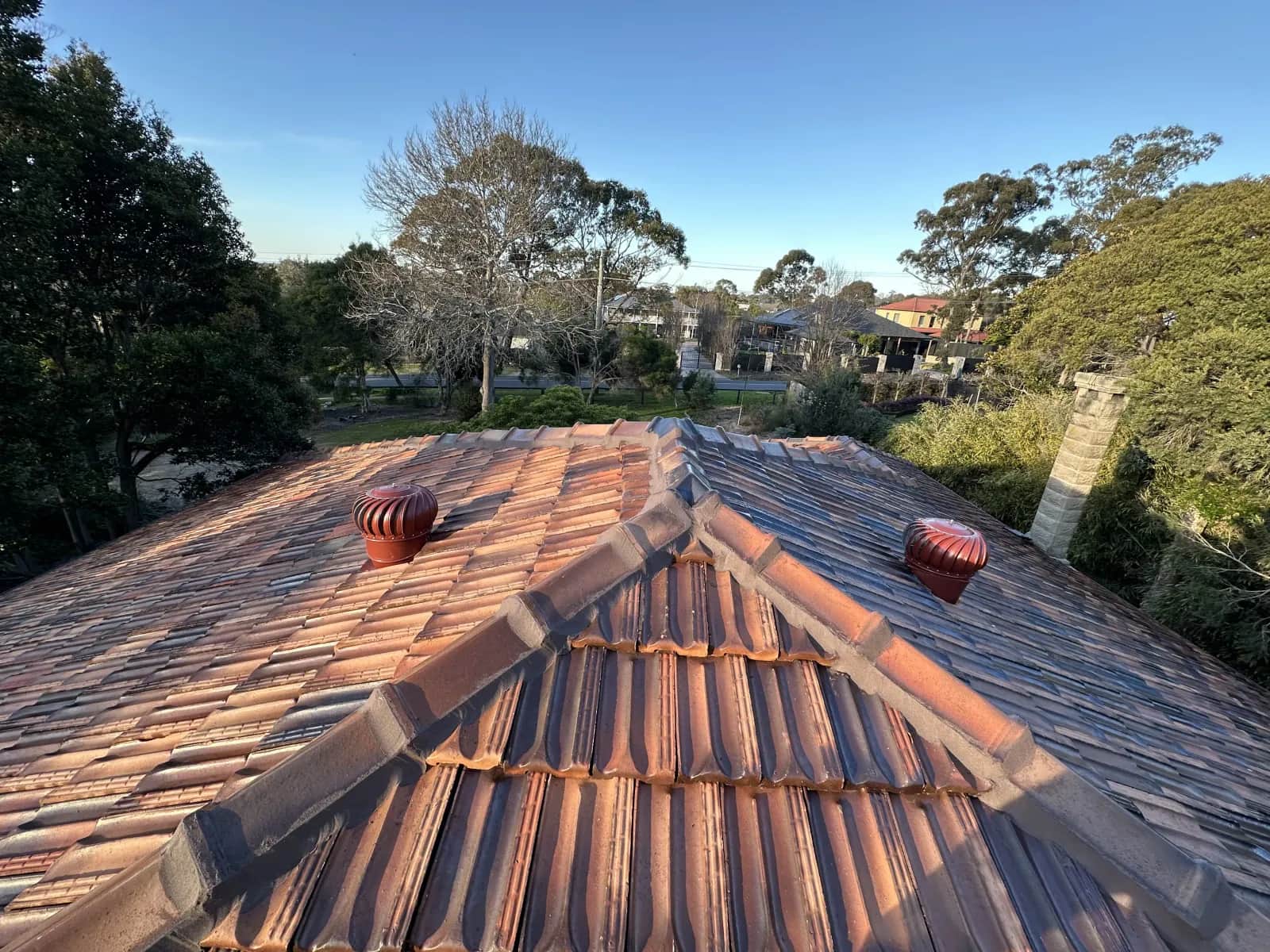
Living on the coast — whether you're in Frankston, Seaford, Mount Eliza, or further down the Mornington Peninsula — we enjoy a beautiful lifestyle. But we also know that our environment can be incredibly harsh on our homes. Between the salt air corrosion, the blistering Australian sun, and the sudden squalls that whip off Port Phillip Bay, your roof is the first line of defence protecting your family and your biggest asset.
To ensure you receive the best quality service, you need to navigate a confusing marketplace. The construction industry is flooded with operators, ranging from highly skilled professionals to unqualified "cowboys" looking for a quick cash job. This comprehensive guide is designed to help you pick the right roofing specialist for your needs.
We've compiled these 10 expert tips from over 15 years of experience working on roofs across the Peninsula. Whether you need a simple leak repair in Langwarrin or a full roof restoration in Cranbourne, these guidelines will help you make an informed decision and avoid costly mistakes.
1. Understand the Scope: What Needs to Be Done?
Before contacting a roofing professional, understand the difference between the two main types of roofing work. This helps you find the right specialist and ensures you're comparing like-for-like when getting quotes.
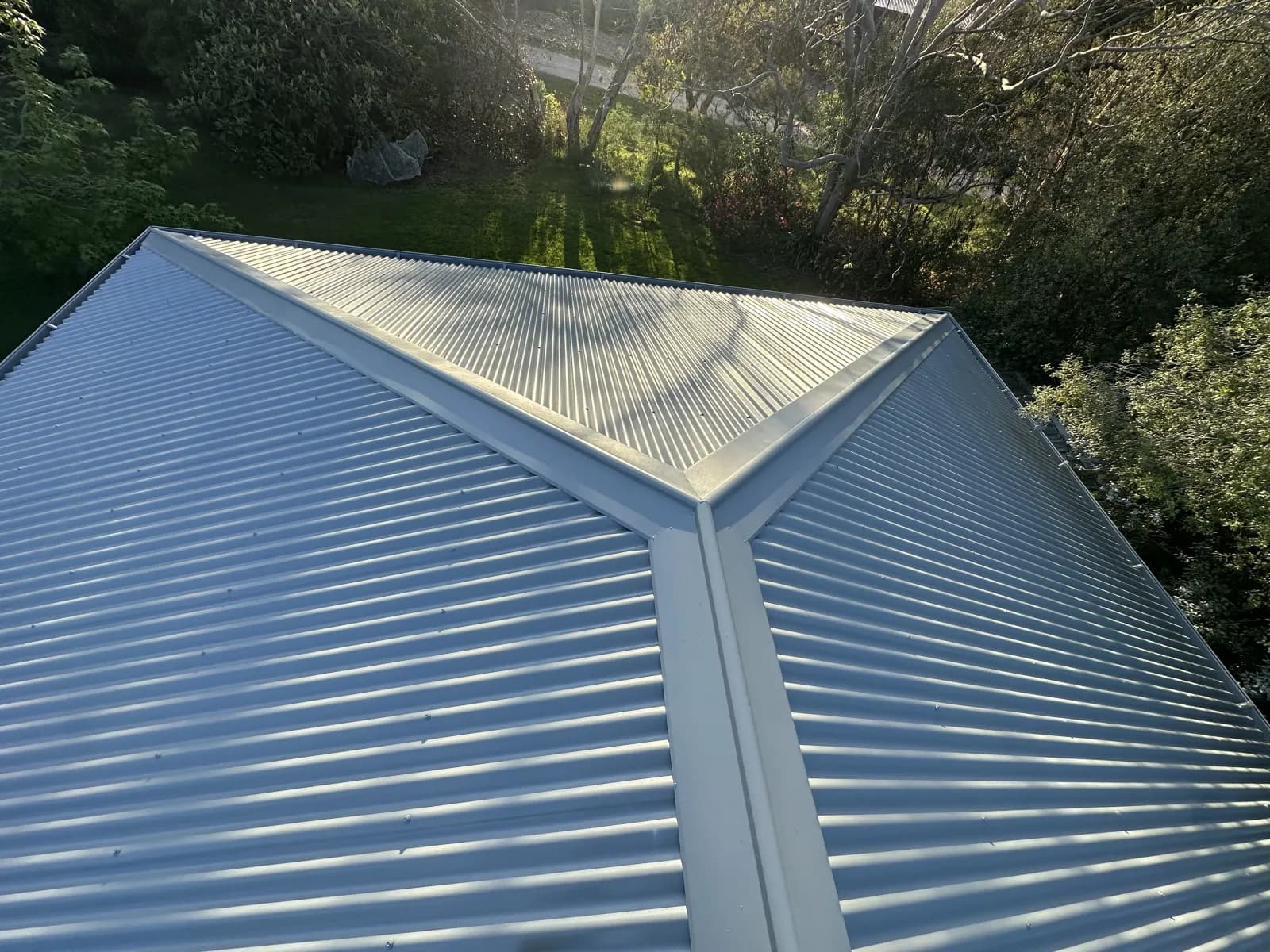
- Roof Plumbing: This covers metal work — guttering, downpipes, flashings, valley irons, and Colorbond metal roofing. A roof plumber specialises in water management on and around your roof.
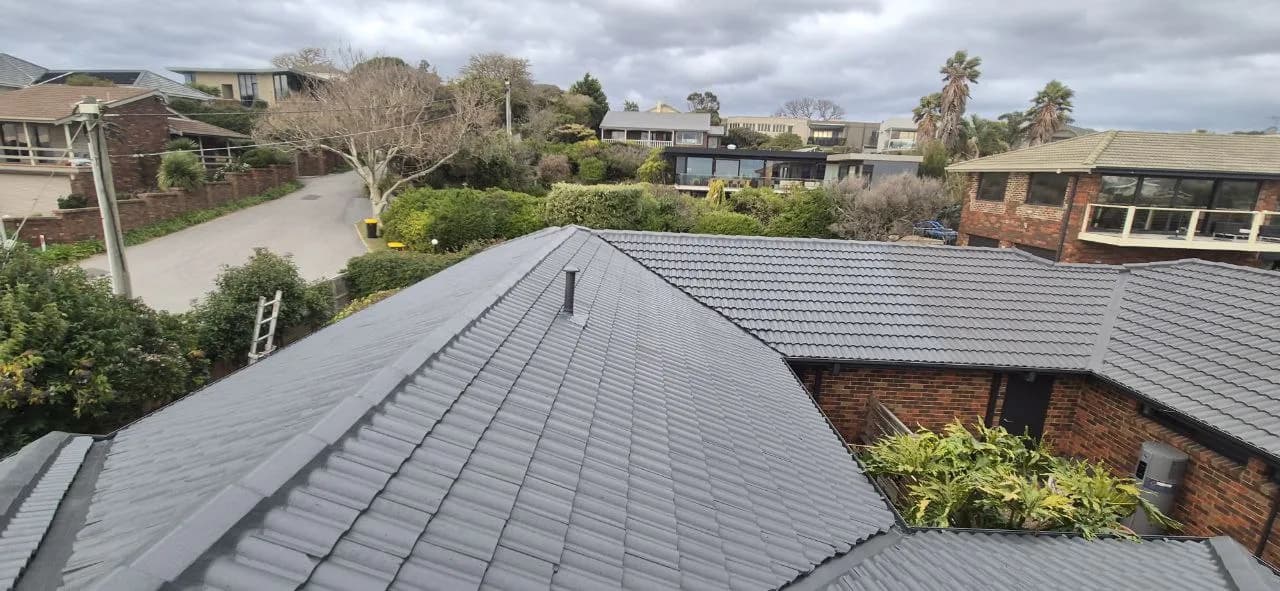
- Roof Tiling & Restoration: This covers tile maintenance, re-bedding and re-pointing of ridge caps, high-pressure cleaning, and roof painting. A roof restorer needs experience with tile types common to your area — concrete and terracotta are the most prevalent across Frankston and the Peninsula.
Many homes need a combination of both. For example, a typical restoration in Berwick or Hallam might involve replacing rusted valley irons (roof plumbing), re-pointing all ridge caps (tiling), and applying a full 3-coat paint system (restoration). Make sure your contractor can handle the full scope — or clearly subcontracts the specialist work to an experienced tradesperson.
2. Local Knowledge: Why the "Peninsula Factor" Matters
You cannot hire just anyone from the other side of Melbourne. You need a specialist who understands the micro-climates of the Bayside area. Salt-laden air corrodes standard galvanised materials rapidly. The winds coming off the bay can dislodge tiles and peel off ridge caps. Local experience isn't just a bonus — it's a requirement for a long-lasting roof in our region.
Consider the differences even within our service area. A beachfront home in Mount Martha faces far more salt exposure than a property in Narre Warren, which is 20 kilometres inland. The coating systems, flashing materials, and even the pointing compounds should differ based on proximity to the coast. A roofer from the northern suburbs simply won't understand these nuances.
- Coastal suburbs (Frankston, Seaford, Mornington): Require marine-grade coatings, stainless steel fixings, and salt-resistant pointing compounds. Standard galvanised materials can fail within 5-7 years here.
- Inland suburbs (Berwick, Cranbourne, Hallam): Can use standard materials but still need UV-resistant coatings due to the harsh Australian sun. Homes built in the 1990s-2000s boom often have thinner concrete tiles that need earlier attention.
- Semi-rural areas (Somerville, Baxter, Hastings): Often have larger roof spans, tree coverage causing moss and debris build-up, and older homes with original terracotta tiles that require specialist handling.
3. What Are Your Expectations and What Do You Value?
There is an old saying: "The bitterness of poor quality remains long after the sweetness of low price is forgotten." Going with the cheapest option doesn't necessarily mean terrible quality, but you have to ask how they are achieving that price. Usually, corners are being cut — whether in product quality, preparation work, or experience level.
Before you start calling roofers, sit down and decide what matters most to you. Is it the lowest price? The longest warranty? Using premium materials? Having the work done quickly? Knowing your priorities helps you evaluate quotes objectively rather than being swayed by a convincing sales pitch.
- If you value longevity: Look for contractors who use premium coating brands like Dulux AcraTex, Nutech NXT Cool Zone, or Shieldcoat Roofbond. These cost more upfront but last 15-20 years versus 5-8 years for budget paints.
- If you value trust and transparency: Look for detailed written quotes with line-by-line breakdowns, a physical business address, and a willingness to explain every step of the process.
- If you value peace of mind: Prioritise contractors who offer meaningful warranties backed by an established local business — not a 15-year warranty from a company that changes its name every few years.
4. Get Multiple Quotes and Compare
Never accept the first quote you receive. Get at least three written quotes from different roofing contractors so you can compare scope, materials, and pricing side by side. A detailed quote should break down every line item — cleaning, repairs, materials, and labour — so you can see exactly what you're paying for.
If one quote is significantly cheaper than the others, ask why. It usually means cheaper materials, less preparation, or skipped steps that will cost you more in the long run. Here's what a complete quote for a standard roof restoration in the Patterson Lakes or Carrum Downs area should include:
- High-pressure cleaning: Typically at 3,500-4,000 PSI to strip all moss, lichen, and oxidised coatings.
- Repairs: Itemised list of broken tiles to replace, cracked pointing to fix, rusted flashings or valleys to renew.
- Re-bedding and re-pointing: New cement bedding and flexible pointing on all ridge caps — this is non-negotiable for Australian Standards compliance.
- Coating system: Brand names and number of coats specified (minimum 3-coat system: primer, base coat, top coat).
- Warranty terms: Clear statement of workmanship warranty period and what it covers.
- Timeline: Expected start date and completion estimate.
If a quote is vague — just a single dollar figure with no breakdown — walk away. A professional contractor has nothing to hide and will happily explain every cost.
5. Examine Their Digital Presence
A solid website should clearly list services provided, service areas, a portfolio of previous projects with high-resolution photos, and real contact information including a phone number and physical base location.
In 2026, there is no excuse for a roofing company not to have a professional online presence. A website tells you a lot about how seriously they take their business. Check for these red flags and green flags:
- Green flags: Before-and-after gallery of real local projects, clear list of services and suburbs served, named team members, ABN displayed, warranty details clearly stated.
- Red flags: No website at all (just a Facebook page), stock photos instead of real project images, no physical address, no ABN, only a mobile number with no business name.
Also check their Google Business Profile. Is it verified? Does it show a real address? Are the photos genuine? A company that takes pride in their Google Business listing typically takes pride in their work.
6. Do Your Research: Know the Terminology
Understanding basic roofing terminology helps you communicate effectively with your contractor and prevents you from being misled. When a roofer throws around jargon, you should know exactly what they're talking about.
- Ridge Cap: The V-shaped tiles or metal pieces along the peak (ridge) of your roof. These are sealed with bedding and pointing to prevent water entry.
- Bedding: A sand-and-cement mortar that holds ridge caps in place. Over time, this cracks and crumbles, especially in homes older than 15 years.
- Pointing: The flexible seal applied over the bedding. Modern flexible pointing (as opposed to old rigid cement pointing) moves with the house and lasts much longer — this is now required by Australian Standards.
- Valley: The V-shaped metal gutter where two roof slopes meet. Valleys channel large volumes of water, so they're a common leak point when they rust or when debris blocks the flow.
- Sarking: The foil or membrane barrier installed under your tiles. It acts as a secondary waterproof layer and improves insulation. Many older Peninsula homes lack sarking entirely.
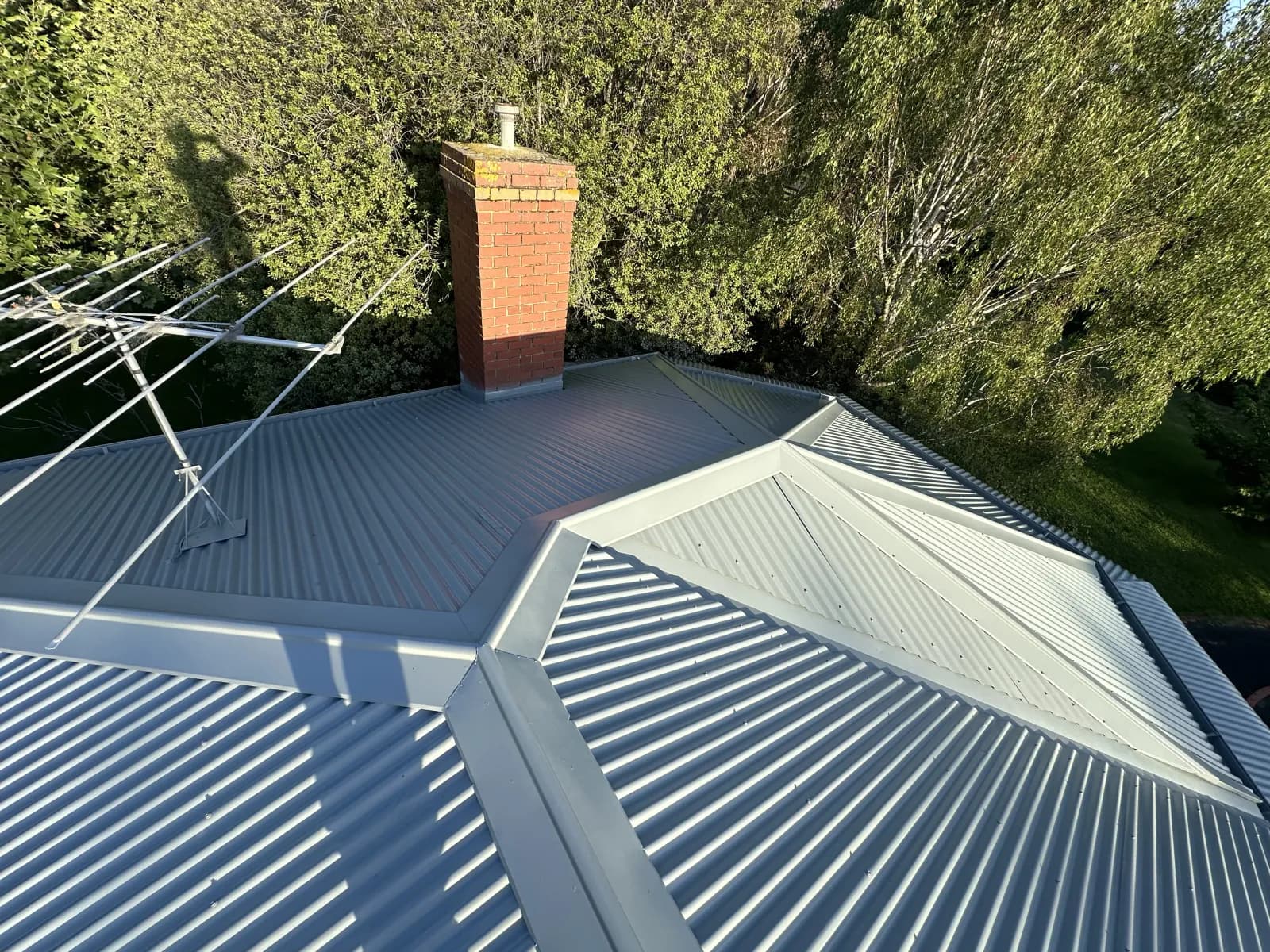
- Flashing: Thin metal strips used to seal joints where the roof meets walls, chimneys, or skylights. Poorly installed or corroded flashing is one of the top causes of roof leaks.
When your roofer explains the work needed, these terms should come naturally. If a contractor can't clearly explain what they're doing using proper terminology, that's a warning sign about their expertise.
7. Google Reviews Are Gold
In 2026, Google reviews are the most reliable indicator of a roofing company's quality. Unlike testimonials on a company's own website (which can be fabricated), Google reviews are tied to real Google accounts and are extremely difficult to fake at scale.
When reading reviews, look for these three key indicators:
- Detail: Reviews that describe specific work done ("replaced 12 broken tiles, re-pointed all ridge caps, and applied Dulux AcraTex in Woodland Grey") are far more trustworthy than generic "great job" reviews.
- Recency: A company with 50 reviews from 3 years ago but nothing recent may have changed ownership, lost key staff, or declined in quality. Look for consistent reviews over recent months.
- Responsiveness: Does the business owner reply to reviews — both positive and negative? A company that takes time to thank reviewers and professionally address any complaints demonstrates genuine care for their reputation.
Don't just look at the star rating. A company with 4.8 stars from 30 detailed reviews is far more trustworthy than a company with 5.0 stars from 5 vague reviews. Also search for the company name plus "reviews" to check platforms beyond Google — like ProductReview, Facebook, and Hipages.
8. The Quote Process: What to Expect
Some businesses charge a call-out fee just to look at your roof. A reputable contractor offers a free assessment — it's an investment in winning your business. Be cautious of any company that demands payment before even inspecting the roof.
During a proper assessment, the roofer should physically get on the roof (not just look from the ground), take photos of damage to show you exactly what's happening, and provide a detailed written quote with no hidden costs. Here's what a professional quoting process looks like:
- Roof access: The roofer climbs onto the roof using proper safety equipment (harness, ladder stabilisers). Ground-level inspections miss most issues.
- Photo documentation: They photograph every area of concern — cracked tiles, worn pointing, rusted valleys, moss growth — and show these to you on-site.
- Honest assessment: A trustworthy roofer will tell you if your roof only needs minor repairs rather than trying to upsell a full restoration. If they push for the most expensive option without explaining why, that's a red flag.
- Written quote: You receive a detailed, itemised quote within 24-48 hours — not a verbal estimate. This document is your protection if disputes arise.
9. Analyse the Warranty: 10 Years of Peace of Mind
Not all warranties are created equal, and this is where many homeowners get caught out. A warranty is only as good as the company standing behind it. There are two distinct types of warranty you should ask about:
- Material Warranty: This comes from the paint or coating manufacturer (e.g., Dulux, Nutech, Shieldcoat). It covers the product itself — peeling, flaking, or premature colour fade. These typically run 10-15 years and are backed by the manufacturer, not the roofer.
- Workmanship Warranty: This comes from the roofing contractor and covers the quality of application — proper adhesion, correct preparation, and all repair work. A reputable company offers at least 10 years.
Be wary of "fly-by-night" operators who offer impressive-sounding 15 or 20-year warranties but change their business name every 3 years so they never have to honour claims. Ask how long the company has been operating under its current name. Check the ABN on the Australian Business Register to see when it was registered. A company that's been trading consistently for 10+ years is far more likely to honour a warranty than one registered last month.
10. Comfort and Communication
This final tip might seem soft, but it's arguably the most important. You are inviting someone onto your property — often for multiple days — to work on the most valuable asset you own. The working relationship needs to feel right.
Use the "trust gut" test during your initial interaction:
- Punctuality: Did they turn up on time for the quote? If they can't be on time for the sale, imagine how they'll treat the actual job.
- Professionalism: Did they present themselves in branded workwear? Did they arrive in a sign-written vehicle? These are signs of a legitimate, established operation.
- Education vs. Pressure: Did they take time to explain why the work needs to be done, or did they just quote a number and push for a deposit? A good roofer educates you so you understand the value.
- Accessibility: Can you easily reach them by phone? Do they return calls promptly? Once the job starts, communication is critical — especially if unexpected issues are found.
At the end of the day, you need to trust that your roofer is the professional and knows what they are doing. If something feels off during the quoting phase, trust that instinct. There are plenty of excellent roofers on the Peninsula — you don't need to settle.
The Professional Restoration Process: What Quality Looks Like
To help you recognise quality work when you see it, here's the step-by-step process a professional roof restoration should follow. If your contractor skips any of these steps, that's a red flag:
- Repair: Replace all broken, cracked, and chipped tiles. Fix or replace any damaged flashings, valleys, and ridge caps before any coating work begins.
- Clean: High-pressure water (3,500-4,000 PSI) to strip all moss, lichen, dirt, and oxidised paint from the roof surface. This step alone takes a full day on most homes.
- Re-bed: Remove old crumbling mortar from ridge caps and apply fresh cement bedding. This is the structural foundation for your ridge caps.
- Point: Apply flexible pointing compound to all ridge caps. Flexible pointing (not rigid cement) is now required by Australian Standards AS 2050 because it moves with thermal expansion and contraction.
- Sterilise: Apply a fungicidal treatment to kill remaining moss and lichen spores embedded in the tile surface. Without this step, regrowth can begin within 6-12 months.
- Coat: Apply a full 3-coat system — primer/sealer to bond with the clean tile, base coat for waterproofing and colour, and top coat for UV resistance and long-term durability. Each coat needs proper drying time between applications.
A full restoration done correctly takes 3-5 working days depending on roof size and weather. If someone quotes you a 1-day restoration, they're cutting corners. The coatings alone need a minimum of 24 hours drying between each coat.
Conclusion: Protect Your Biggest Investment
Your roof is the most important structural component of your home, and the contractor you choose to work on it will determine whether you get 15-20 years of protection or a paint job that fails within 3 years. Take the time to research, compare, and ask the tough questions. The right roofer will welcome your scrutiny — because they have nothing to hide.
Ready to get an honest assessment of your roof? Frankston Peninsula Roofing offers free, no-obligation inspections across Frankston, Mornington Peninsula, and the City of Casey. We'll get on the roof, take photos, and give you a detailed written quote — even if the answer is "your roof is fine, come back in 5 years." Call Mike and the team today.
Related Services
Serving Frankston, Mornington Peninsula & South-East Melbourne
We provide expert roofing services across these suburbs and surrounding areas. Click your suburb for local information and a free quote.
Frequently Asked Questions
How often should I have my roof inspected in Melbourne?
We recommend a professional inspection every 5 years, or after any major hail storm or wind event. Coastal properties in Frankston, Seaford, and Mornington may benefit from more frequent inspections due to salt air exposure.
Do concrete tiles really need painting?
Yes. Concrete tiles are porous. Once the original factory coating wears off (usually after 15-20 years), the concrete absorbs water like a sponge. This makes tiles heavy, stressing the timber frame, and brittle. Painting seals the tile and prevents water absorption.
Can you fix leaks without doing a full restoration?
Absolutely. If your roof is generally healthy but has a leaking valley or a few broken tiles, we can perform targeted roof repairs without a full paint job. We always provide honest advice about what your roof actually needs.
Need Help With Your Roof?
Get a free, no-obligation inspection and quote. We'll give you honest advice — even if that means telling you it just needs minor repairs.