Roof Flashing Repair: How to Spot Problems Before They Destroy Your Home
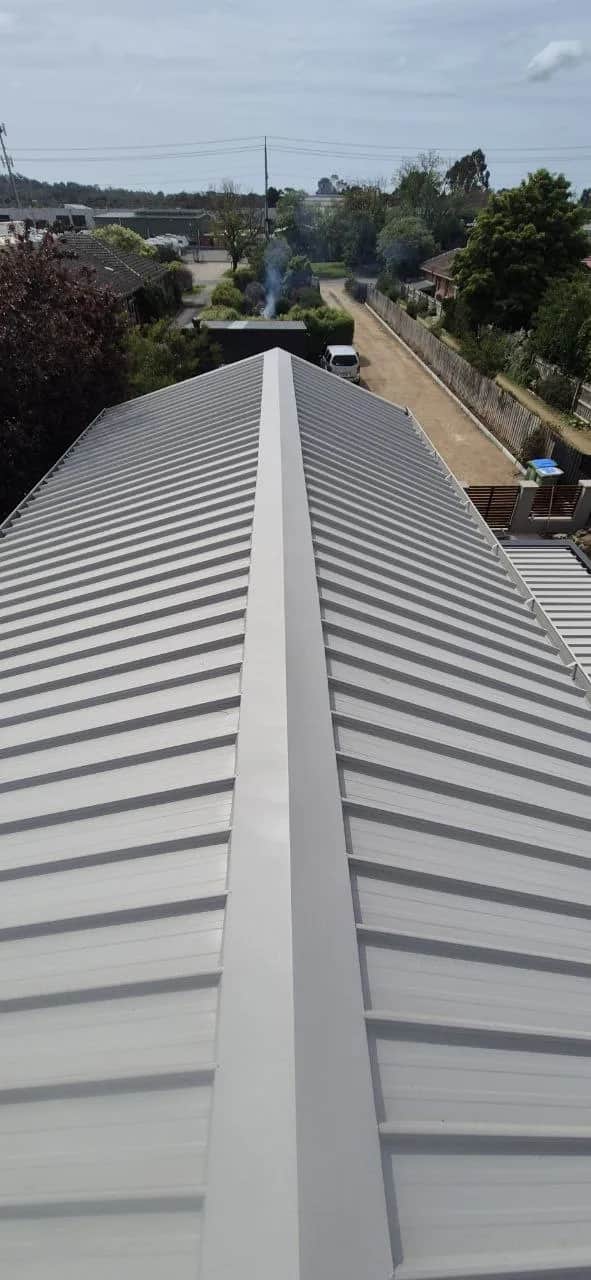
A leaky roof flashing isn't just a minor annoyance — it is often the silent destroyer of homes across the Mornington Peninsula. Whether you're in Seaford facing the bay winds or tucked away in Mt Eliza, compromised flashing can lead to thousands of dollars in structural damage before you even notice a drip. At Frankston Peninsula Roofing, we've seen countless homes in Frankston, Narre Warren, and the Bayside suburbs suffer severe water damage, not because the tiles were broken, but because the flashing had failed.
Your roof is a complex system — not just a layer of tiles or metal sheets. While the shingles or Colorbond sheets get all the glory, the true unsung hero of a watertight home is the roof flashing: the thin metal material installed to direct water away from critical areas where the roof meets walls, chimneys, skylights, and other penetrations.
Mike Umarov, owner and lead expert at Frankston Peninsula Roofing, explains: "Living near the coast in suburbs like Seaford or Mornington means your roof faces unique challenges. The salt air accelerates corrosion, and the high winds can lift poor workmanship overnight. Flashing is the glue that holds the waterproofing system together."
With a 10-Year Workmanship Warranty and a commitment to 100% customer satisfaction, our team is dedicated to educating homeowners. This guide will help you understand flashing, spot problems early, and save money by fixing issues before they turn into major structural headaches.
Understanding Roof Flashing and Its Role
Roof flashing creates a vital water-resistant barrier at the most vulnerable points of your roof. Think of your roof like a shield — the broad flat parts are easy to protect, but the joints are where the armour is weak.
How Flashing Works: Three Key Principles
- Gravity: Flashing is installed in a "shingle-fashion" (layered from bottom to top) so that water naturally sheds downward over the top of the roofing materials.
- Wind Pressure Barrier: In areas like the Mornington Peninsula, wind-driven rain can be pushed upwards. Properly installed flashing includes overlaps and sealants that prevent this water ingress.
- Surface Tension: Water has a tendency to cling to surfaces and travel horizontally. Flashing is shaped with "drip edges" or specific bends to break this tension and force water to drop onto the roof surface rather than seeping into the structure.
Critical Areas That Require Flashing
- Roof Valleys: Where two roof planes intersect creating a V-shape — these handle a high volume of water runoff.
- Chimneys and Skylights: Any penetration through the roof deck is a prime leak spot that requires carefully fitted flashing.
- Vent Pipes: Often sealed with a "boot" or collar flashing that wraps around the pipe.
- Apron Flashing: Where a roof slope meets a vertical wall at the top.
- Step Flashing: Where a roof slope meets a vertical wall along the side, stepping up with the tiles or sheets.
- Eaves and Rakes: The edges of the roof where water can be driven sideways by wind.
⚠️ Safety Warning: If these components are made of inferior materials or installed without precision, your roof's structural integrity is at risk. Wood rot, mould growth, and ceiling collapse are real consequences of ignored flashing issues.
The Peninsula Factor: Salt Air and Bay Winds
If you live in Frankston, Seaford, Mt Eliza, or anywhere along the Mornington Peninsula, your roof is under constant attack from an invisible enemy: salt. Standard galvanised steel flashing can rust significantly faster in coastal environments compared to inland suburbs like Narre Warren.
Marine Environment Corrosion
The salt spray carried by the bay breeze settles on your roof. When dew forms or light rain falls, this salt creates a highly corrosive electrolyte solution that eats away at metal. At Frankston Peninsula Roofing, we recommend specific materials like marine-grade aluminium, stainless steel, or high-grade Colorbond steel that are engineered to withstand the Bayside climate.
Thermal Expansion and Contraction
Melbourne is famous for "four seasons in one day." Your roof might bake in 35°C heat at noon and be hit by a cool change and rain by 4 PM. This rapid temperature shift causes metal flashing to expand and contract repeatedly.
- If flashing is nailed down too tightly without room for movement, it will buckle or tear.
- If the sealant used isn't flexible, it will crack, breaking the waterproof seal.
Our local experience ensures we use installation techniques that allow for natural thermal movement, ensuring your roof repairs stand the test of time.
Warning Signs Your Flashing Needs Repair
Early detection is key. You don't always need to climb a ladder to know there's a problem — and for safety, we suggest you don't. Here's a comprehensive checklist of warning signs to watch for.
Interior Warning Signs
- Water Stains: Yellow or brown rings on your ceiling, particularly around fireplaces, skylights, or corners where roof meets wall.
- Mould and Mildew: Musty odour in the attic or black spots appearing in the corners of your cornices indicate moisture intrusion.
- Peeling Paint or Wallpaper: Moisture trapped behind wall linings causes paint to bubble and wallpaper to peel.
Exterior Warning Signs
Grab a pair of binoculars and scan your roof lines from the ground:
- Rust or Corrosion: Visible orange/brown rust on metal strips, especially common in Bayside suburbs near the coast.
- Lifted or Bent Metal: Strong winds from Port Phillip Bay can bend flashing up, leaving gaps for water to enter.
- Missing Pieces: Storms can sometimes rip flashing entirely off the roof.
- Dried or Cracked Sealant: If the caulking around your chimney looks dry, cracked, or is peeling away, the seal is broken.
- Damaged Tiles Near Flashing: Broken tiles next to a valley or chimney can compromise the flashing underneath.
💡 Pro Tip: If you spot any of these signs, don't wait for the next storm. Call Mike at 0437 641 027 for an immediate assessment — early intervention can save you thousands in structural repairs.
Our Professional 4-Step Repair Process
At Frankston Peninsula Roofing, we believe in transparency. When you hire us for roof flashing repairs, here is the professional process you can expect.
Step 1: Comprehensive Inspection
- Mike and the team inspect the entire roof to identify the full extent of flashing damage.
- We determine whether flashing can be salvaged with repair or needs complete replacement.
- You receive a detailed, no-obligation quote outlining costs and scope of work.
Step 2: Preparation and Removal
- Damaged flashing sections and surrounding tiles are carefully removed.
- The area is cleaned of old sealant, debris, rust, and dirt — new materials won't adhere to dirty surfaces.
- We check the timber underneath for rot caused by water ingress and advise on structural repairs if needed.
Step 3: Precision Installation
- New flashing is cut and shaped to fit your specific roof angles perfectly.
- We ensure correct overlaps (150mm minimum) to prevent water from driving upward under the metal.
- Appropriate fixings are used at correct intervals, securing the material while allowing for thermal expansion.
- High-quality, weather-resistant roofing sealants create the final watertight barrier.
Step 4: Quality Check and Warranty
- In some cases, we simulate rain to water-test the repair.
- Mike performs a final walkthrough to ensure the job meets our high standards.
- We issue our 10-Year Workmanship Warranty, giving you total peace of mind.
Choosing the Right Flashing Material
Choosing the right material is critical for longevity, especially in Melbourne's coastal environment. Here are the options we work with and when each is best suited.
- Aluminium: Lightweight, resists rust, easy to shape. Best for general flashing and gutters. Can corrode if in direct contact with concrete or masonry without coating.
- Colorbond Steel: Pre-painted, durable, matches roof colours. Ideal for modern homes and roof restorations. Our most recommended option for the Peninsula.
- Stainless Steel: Ultimate durability against salt and acid rain. Harder to shape and more expensive, but best for harsh coastal zones like Seaford foreshore.
- Copper: Incredible marine-grade durability with beautiful ageing patina. Most expensive but ideal for heritage homes in Mt Eliza and Mornington.
- Lead: Extremely malleable with a traditional look lasting 50+ years. Best for tile roofs and chimney aprons in heritage restoration work.
At Frankston Peninsula Roofing, we only use premium materials sourced from trusted Australian suppliers. We recommend the best option based on your budget and proximity to the coastline.
Real-World Case Studies from the Peninsula
The "Invisible" Rust in Seaford
A young couple in Seaford noticed a recurring damp patch on their kitchen ceiling during light rain. A handyman had previously applied silicone to the tiles, but the leak persisted. On inspection, Mike found the original valley flashing was standard galvanised steel — after 40 years just 500 metres from the bay, it was riddled with pinhole rust spots invisible from the ground.
Our team executed a full valley replacement: removed surrounding tiles, extracted the rusted valley irons, replaced 3 metres of damp timber battens, and installed Marine-Grade Colorbond valley flashing with a dry valley seal. Three months later, despite heavy winter rains, the roof is bone dry.
The Storm Damage Emergency in Mt Eliza
A large double-storey home on Kunyung Road suffered a ceiling collapse in the master bedroom after 90km/h storm winds. The issue was a combination of debris blockage and flashing failure — the internal box gutter's flashing wasn't high enough, causing water to pool and flow backward into the roof cavity.
We removed over 20kg of wet debris, fabricated a new custom box gutter with a 150mm turn-up (double the original 75mm), and installed pressure flashing with a mechanical groove seal cut into the brickwork — far superior to adhesive methods.
Fixing the "Band-Aid" Skylight Job in Frankston South
A homeowner had a leak dripping onto their dining table. A handyman had covered the skylight perimeter in bitumen paint and silicone. It stopped the leak for two weeks, then came back worse. On inspection, the "sealant" had trapped moisture against the original lead flashing, causing accelerated oxidation.
We stripped away the failed repair, hand-fabricated a new tray from soft zinc, and integrated it properly with surrounding tiles. The skylight is now watertight with a proper drainage path — proof that cheap repairs are the most expensive kind.
Why DIY Flashing Repair Is a Bad Idea
In the age of YouTube, it's tempting to think you can fix a leak with a caulk gun. Here's why professional repair is essential for flashing work.
- Safety Risk: Falls from heights are a leading cause of injury in Victoria. Our team is trained in working at heights with safety harnesses and scaffolding where required.
- Voiding Insurance: Most Australian home insurance policies require roof repairs by a licensed professional. A DIY patch job that later fails can lead to denied claims on water damage worth tens of thousands.
- The Band-Aid Effect: DIYers often apply silicone over the problem. This traps moisture inside, accelerating rot. We fix the root cause, not just the symptoms.
- Complexity: Flashing requires precise bending and shaping. If the angles aren't perfect, capillary action will draw water right into your roof cavity.
Flashing Repair as Part of Full Roof Restoration
Often, flashing repair is just one piece of the puzzle. If your flashing is failing, it's likely that other parts of your roof are nearing the end of their lifespan too. A roof restoration is a cost-effective alternative to a full replacement, involving pressure cleaning, re-bedding and pointing ridge caps, replacing all damaged flashing, and protective roof painting.
After repairing flashing, professional roof painting ties the whole look together — new flashing on an old roof can look patchy. The coating also seals porous tiles and adds years of UV protection. Ask Mike about our full restoration packages that combine structural repairs with cosmetic renewal.
Maintenance Tips to Extend Flashing Life
- Clean Your Gutters Regularly: Clogged gutters cause water to back up above the flashing line, allowing seepage into the eaves.
- Trim Overhanging Branches: Leaves in valleys create an acidic pile that accelerates corrosion. Branches can scratch and damage flashing during storms.
- Schedule Annual Inspections: Have a professional check your roof once a year, preferably before winter when leaks are most likely.
- Wash Down Salt Deposits: If you're right on the water in Seaford or Mornington, occasionally hosing your roof from the ground helps wash away salt buildup on the metal.
Protect Your Home Today
Well-managed roof flashing is the silent guardian of your home, protecting it from Melbourne's unpredictable weather, salt air, and torrential rains. Small flashing problems can quickly spiral into expensive structural repairs involving plasterers, painters, and carpenters.
At Frankston Peninsula Roofing, we don't just patch holes — we provide long-term solutions. Mike Umarov and the team have the local knowledge, the premium materials, and the commitment to quality that you need. We back our work with a 10-year workmanship warranty because we know our repairs last.
Don't let a small leak turn into a big disaster. Call Mike today on 0437 641 027 for a free, no-obligation roof assessment and quote. We'll inspect your flashing, give you an honest assessment, and provide a fixed-price solution. Serving Frankston, the Mornington Peninsula, and the City of Casey.
Related Services
Serving Frankston, Mornington Peninsula & South-East Melbourne
We provide expert roofing services across these suburbs and surrounding areas. Click your suburb for local information and a free quote.
Frequently Asked Questions
How can I tell if my roof flashing needs repair?
Look for internal signs like water stains on ceilings or walls, specifically near corners or fireplaces. Externally, check for visible rust, loose or missing metal strips, and cracked sealant around chimneys or skylights. If you spot any of these, call Mike on 0437 641 027 for a professional assessment before the damage spreads.
Can damaged roof flashing be repaired, or does it always need replacement?
Minor issues like small sealant cracks can sometimes be repaired. However, if the metal is rusted through, bent, or physically detached, replacement is the only way to ensure a watertight seal. At Frankston Peninsula Roofing, we always prioritise the most cost-effective long-term solution rather than temporary patches.
How often should roof flashing be replaced?
Generally, flashing is replaced when the roof is replaced. However, in coastal areas like the Mornington Peninsula, galvanised flashing may fail sooner than the tiles due to salt corrosion. If installed correctly with premium materials like marine-grade Colorbond or stainless steel, flashing should last 20+ years.
What is the best flashing material for homes near the coast?
For coastal homes in Frankston, Seaford, and the Peninsula, we recommend Colorbond steel, marine-grade aluminium, or stainless steel. Standard galvanised steel rusts too quickly in high-salt environments. Lead is excellent for tile roofs and chimney aprons but requires expert installation. We recommend the best option based on your budget and proximity to the coastline.
How much does roof flashing repair cost in Frankston?
The cost varies depending on the type of flashing (valley vs. chimney), the material used, and the accessibility of your roof. We provide a free, no-obligation quote so you know exactly what to expect before we start. Call 0437 641 027 for your free assessment.
Need Help With Your Roof?
Get a free, no-obligation inspection and quote. We'll give you honest advice — even if that means telling you it just needs minor repairs.