8 Risks That Roof Leaks May Cause to Your Home (And Why You Can't Ignore Them)
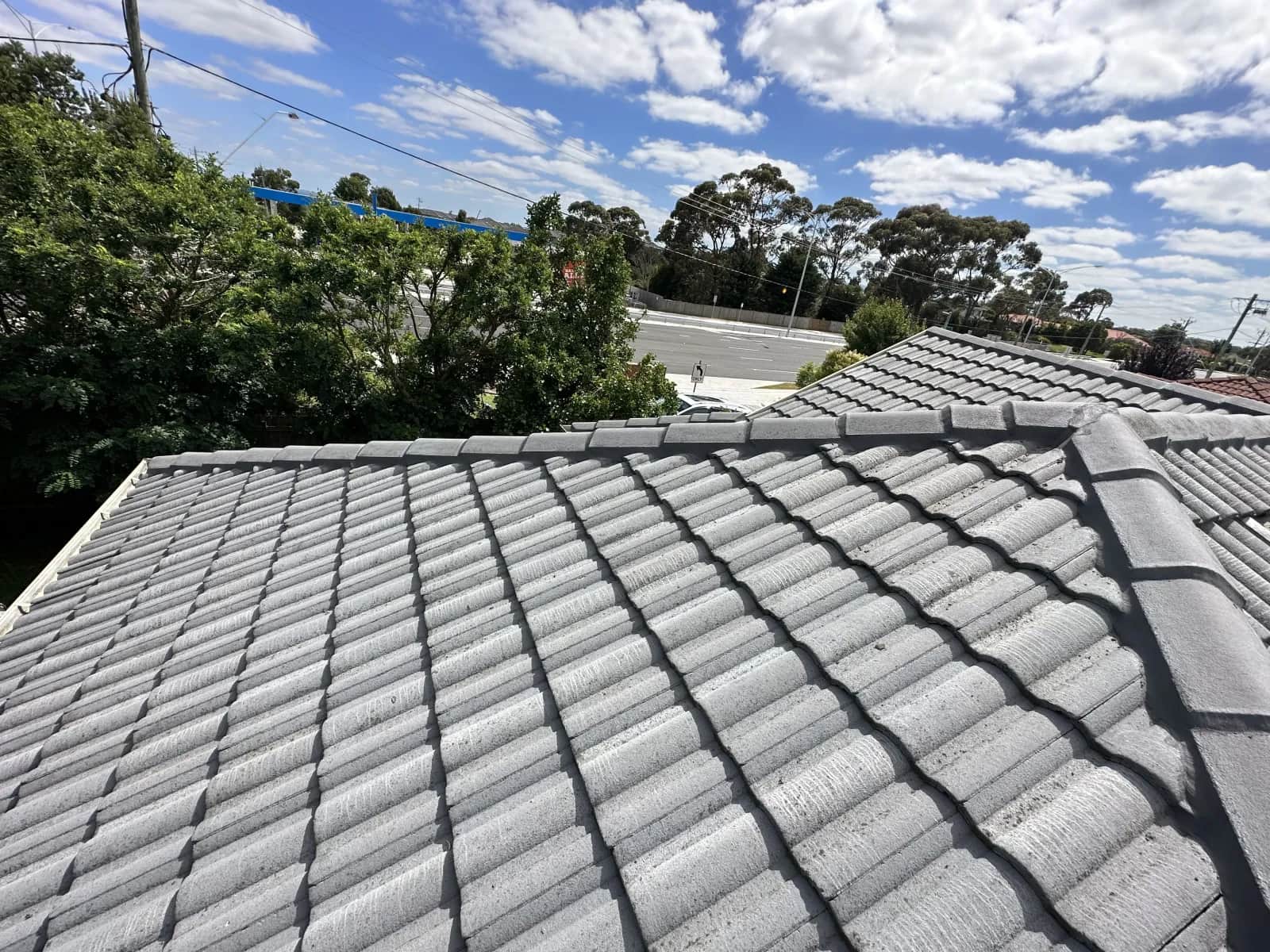
It often starts with a sound — a subtle drip, drip, drip in the middle of a heavy stormy night. Or perhaps it's a faint, brownish stain appearing in the corner of your ceiling that you swear wasn't there yesterday. No one likes it when their roof suddenly starts to leak. It's a homeowner's sinking feeling — the realisation that your primary line of defence against the unpredictable Victorian weather has been breached.
A leaking roof creates a disruptive environment and inevitably leads to expensive repairs if left unchecked. You may not want to pay attention to it — life is busy, and roof maintenance isn't the most exciting way to spend your weekend or your budget — but ignoring roof leakage problems can lead to catastrophes that far exceed the cost of a simple repair.
At Frankston Peninsula Roofing, we have seen it all. From Seaford to Mount Eliza, we have witnessed how minor leaks, when ignored, grow into massive structural failures requiring complete roof replacements. The harsh reality of our local climate — with the salt air from the bay, high winds across the Peninsula, and the blistering Australian sun — means your roof is under constant assault.
1. Roof Damage: The Domino Effect
You never truly know how damaged your roof is until a professional is up there inspecting it. One of the most common misconceptions homeowners in the Bayside suburbs have is that a leak is an isolated incident — a single cracked tile or a tiny hole in the flashing. However, a leak is rarely just a leak; it is a symptom of a failing system.
The Anatomy of Roof Failure
When water penetrates the outer layer of your roof — whether it is terracotta tile, concrete tile, or Colorbond metal — it doesn't just drip straight down. It travels. It runs along beams, pools in valleys, and soaks into the bedding and pointing.
- Tile Degradation: In areas like Frankston and Mornington, porous tiles can become waterlogged. This added weight puts stress on the roof frame.
- Rusted Valleys: For metal components, once the protective coating wears off, rust sets in. A small leak speeds up this corrosion process, turning a pinhole leak into a gaping hole within a season.
- Bedding and Pointing Failure: The mortar that holds your ridge caps in place creates a waterproof seal. Once water finds a way behind this seal, it erodes the bedding from the inside out.
If you ignore roof leakage now, you may end up paying a hefty amount later. Imagine a scenario where you have no other option but to replace the entire roof because you didn't fix it when the issues weren't severe.
2. Mould and Mildew: A Health Hazard
A leaking roof means increasing moisture content inside the home. In the humid, coastal climate of the Mornington Peninsula, this creates the perfect breeding ground for mould and mildew. While mould is unsightly, the risks it poses to your family go far beyond aesthetics.
Health Implications
- Respiratory Distress: Mould spores irritate the lungs, causing coughing, wheezing, and shortness of breath.
- Allergy Aggravation: For those with hay fever or seasonal allergies, mould puts the immune system into overdrive.
- Asthma Attacks: People who have health issues, such as asthma, are at high risk. Mould is a known trigger for severe asthma attacks.
- Immune System Suppression: Those with weak immune systems — the elderly, infants, or those undergoing medical treatments — will suffer significantly when exposed to high concentrations of mould spores.
Moreover, mould and mildew can pollute the air when the HVAC system is turned on. If your roof leak allows water into the ceiling cavity where your ducted heating or cooling unit sits, mould can grow inside the ducts. Every time you turn on the heater in winter, you are effectively blowing toxic spores into every room of your house.
3. Damages to Walls and Ceilings
When the roof starts to leak, water can easily seep inside the home through walls and the ceiling. The path of water is dictated by gravity and the path of least resistance.
- The "Bubble" Effect: Water trapped between the plasterboard and the paint layer creates unsightly blisters. Eventually, that bubble will burst.
- Plasterboard Disintegration: Modern homes use gypsum board for ceilings. When gypsum gets wet, it softens and loses its structural integrity. A heavily saturated ceiling can actually collapse.
- Staining: Water carries tannins from the timber in your roof frame and dirt from the roof cavity, resulting in dark brown or yellow rings on your ceilings.
4. Attic and Roof Cavity Damage
Homes that have attics or accessible roof cavities are at higher risk, yet this damage often goes unnoticed for the longest time. "Out of sight, out of mind" is a dangerous philosophy when it comes to roofing.
- Timber Rot: Roof trusses and battens are often made of untreated pine. Constant exposure to moisture causes fungal decay that weakens the structure.
- Pest Infestation: Damp wood attracts termites and carpenter ants. Termites need a water source, and a leaking roof provides exactly that. By the time you notice the leak, you might also be dealing with a termite colony eating your home's frame.
- Sentimental Loss: Many residents use roof cavities to store valuable items — photo albums, seasonal decorations, important documents. Water damage can destroy these irreversibly.
5. Fire Hazards: The Irony of Water
It seems counterintuitive — how can water cause a fire? Water and electricity don't go hand in hand, yet a leaking roof brings them into dangerous proximity.
- Short Circuits: Water contains minerals that make it conductive. If water bridges the gap between live wires, it creates a short circuit and sparks.
- Arcing: In a damp roof cavity, electricity can arc from a wire to a wet timber beam. If there is dust or debris nearby, this can ignite a fire.
- Corrosion: Even if a fire doesn't start immediately, slow drips onto electrical junction boxes cause corrosion, increasing resistance in wires, which generates heat over time.
6. Slip Hazards: A Domestic Danger
During a severe storm in Seaford or Mount Eliza, a slow leak can turn into a steady stream. Puddles form on hardwood floors, tiles, or vinyl. Water on indoor flooring is incredibly slippery. For households with children or elderly residents, a slip-and-fall accident can result in broken bones or head injuries.
What makes slip hazards particularly dangerous is that they can appear suddenly and without warning. A leak that is manageable during light rain can become a torrent during the heavy downpours we experience across the Peninsula in winter. You might leave for work with dry floors and come home to a puddle at the bottom of the stairs. Insurance companies across Australia report that slip-and-fall injuries in the home are among the most common domestic accident claims — and many are linked to water ingress from unaddressed roof leaks.
7. Insulation Damage: The Energy Bill Nightmare
Whether you have glass wool batts, polyester, or blow-in cellulose, water is the enemy of insulation efficiency. Think of it like wearing a thick wool jumper to stay warm — then soaking it in water. It no longer keeps you warm; it makes you colder.
- Higher Bills: If your insulation is wet, your heater works double-time in winter and your air conditioner struggles in summer. The spike in energy bills far outweighs the cost of a roof repair.
- Replacement Costs: Once insulation is water-damaged, it usually cannot be saved. It must be removed and replaced — a messy, expensive job.
8. Structural Damage: The Ultimate Risk
This is the "point of no return" for a home. The structural integrity of your home relies on the roof frame — trusses, rafters, beams. In many older homes in Frankston and the Mornington Peninsula, these are made of timber.
- Chronic Saturation: When timber stays wet, it rots. Rotted timber loses its load-bearing capacity.
- Fascia and Eaves: Water often runs down to the fascia boards. If these rot, your gutters can detach and fall, potentially injuring someone.
- Collapse Risk: A saturated ceiling combined with a weakened roof frame is a recipe for a ceiling collapse.
The Coastal Factor: Why Frankston & Peninsula Roofs Are Different
Living in Frankston, Seaford, or Mount Eliza offers a beautiful lifestyle, but it presents unique challenges for roofing that inland suburbs don't face. Salt spray corrodes metal roofing and causes concrete tiles to become brittle. High winds can dislodge tiles with old bedding and pointing, creating instant entry points for water.
At Frankston Peninsula Roofing, we don't just repair roofs — we fortify them against our local weather. We use flexible pointing compounds that move with the house during high winds, and premium rust-proofing treatments on all metal components.
How to Spot a Roof Leak Early
Prevention and early detection are always cheaper than major repairs. Here are the warning signs every Peninsula homeowner should watch for:
- Ceiling stains: Brown or yellowish rings on your ceiling are the most obvious sign. Even small stains indicate active water penetration — the damage behind the plasterboard is always worse than what you can see.
- Musty odours: If a room smells damp or musty — especially after rain — there is likely hidden moisture from a leak. This is often the earliest sign, even before visible staining appears.
- Peeling paint or bubbling wallpaper: Moisture behind walls causes paint to lose adhesion and wallpaper to bubble or peel. Check walls adjacent to the roofline.
- Daylight through the roof: Go into your roof cavity on a sunny day. If you can see pinpoints of light, water can get through those same gaps.
- Sagging gutters or fascia: If your gutters are pulling away from the fascia or the fascia boards feel soft, water has been saturating the timber — usually from a leak running down behind the gutter.
- Increased energy bills: A sudden, unexplained spike in heating or cooling costs can indicate wet insulation caused by a slow roof leak.
If you notice any of these signs, don't wait and hope the problem goes away on its own. Roof leaks never fix themselves — they only get worse. A quick call to a professional roofer for an inspection can save you tens of thousands of dollars in secondary damage.
Why Winter Is the Most Dangerous Time for Roof Leaks
Victoria's winter brings sustained rainfall, cold snaps, and occasional storms that push even well-maintained roofs to their limits. During the colder months, roof tiles contract slightly, opening up hairline gaps that let water in. Metal roofs face a different challenge: condensation forms on the underside of cold sheets, dripping onto insulation and timber even without an external leak.
The combination of shorter days and persistent rain means leaks that start in winter often go undetected for weeks. By the time a ceiling stain appears, the damage behind it — wet insulation, softened plasterboard, early-stage timber rot — can be extensive. Across Frankston and the Mornington Peninsula, we see a sharp increase in emergency roof repair calls from May through August each year.
The best time to have your roof inspected is before winter arrives. A pre-winter check allows a roofer to spot and fix vulnerabilities — cracked tiles, failed pointing, lifting flashings — while conditions are dry and repairs are straightforward. If your roof hasn't been professionally inspected in the last two years, now is the time to book one.
Conclusion: Don't Wait for the Drip
A leaking roof is not a nuisance; it is an emergency in slow motion. From the health risks of mould to the financial shock of structural failure, the consequences of inaction are severe. We've seen firsthand how a small, affordable repair that was ignored turned into a complete roof replacement costing many times more just months later.
The good news is that most roof leaks are fixable — quickly and affordably — when caught early. A professional inspection takes less than an hour, and many repairs can be completed on the same day. Don't let a small drip become a catastrophe.
If you suspect your roof needs work, or if you just want peace of mind before the next big storm hits, call the experts. Frankston Peninsula Roofing offers free roof inspections and honest advice — we'll tell you exactly what needs fixing and what can wait. We serve all of Frankston, Mornington Peninsula, and City of Casey. Call Mike and the team on 0437 641 027.
Related Services
Serving Frankston, Mornington Peninsula & South-East Melbourne
We provide expert roofing services across these suburbs and surrounding areas. Click your suburb for local information and a free quote.
Frequently Asked Questions
How quickly should I fix a roof leak?
Immediately. Even a small leak can lead to mould growth within 24-48 hours, structural timber rot within weeks, and electrical hazards at any time. Call a professional roofer as soon as you notice water stains, dripping, or musty smells. The longer you wait, the more expensive the repair becomes.
Can a small roof leak cause mould?
Yes. Mould spores are naturally present in the air and only need moisture to colonise. A slow, continuous roof leak provides the perfect breeding ground — mould can begin growing on insulation, timber, and plasterboard within 24 to 48 hours of water exposure.
How much does it cost to fix a roof leak in Frankston?
The cost depends on the type and severity of the leak. Simple repairs are very affordable, but if the leak has been ignored and caused secondary damage (rotted timber, damaged insulation, mould), costs can escalate significantly. Early intervention always saves money. We offer free roof inspections to assess the full extent of damage and provide a no-obligation quote.
Need Help With Your Roof?
Get a free, no-obligation inspection and quote. We'll give you honest advice — even if that means telling you it just needs minor repairs.